The platform enables a comparison of research, practice and applied solutions. Using the control panel at the bottom of the screen, users can customise the displayed content to suit their own needs. As a result, the website serves as a source of inspiration for professionals seeking specific architectural solutions.
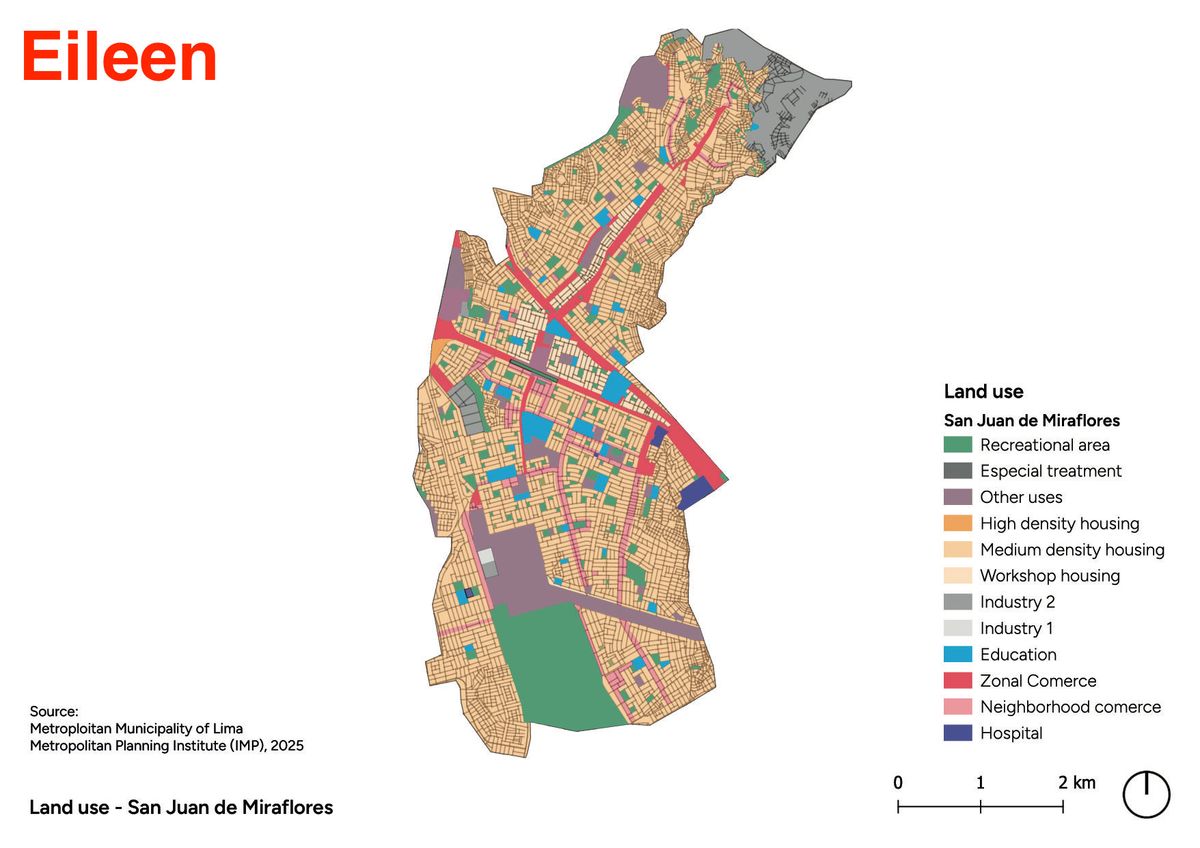
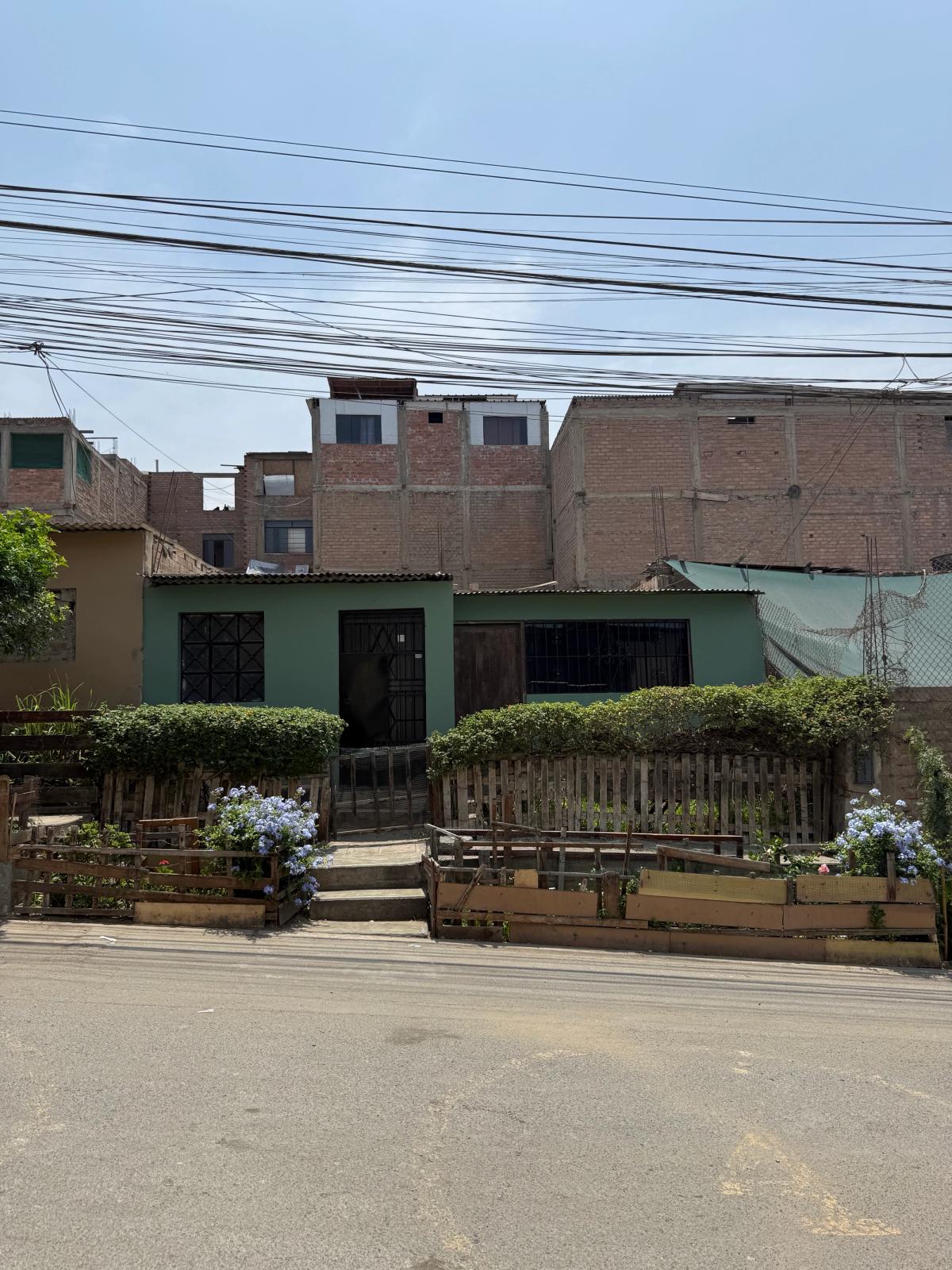
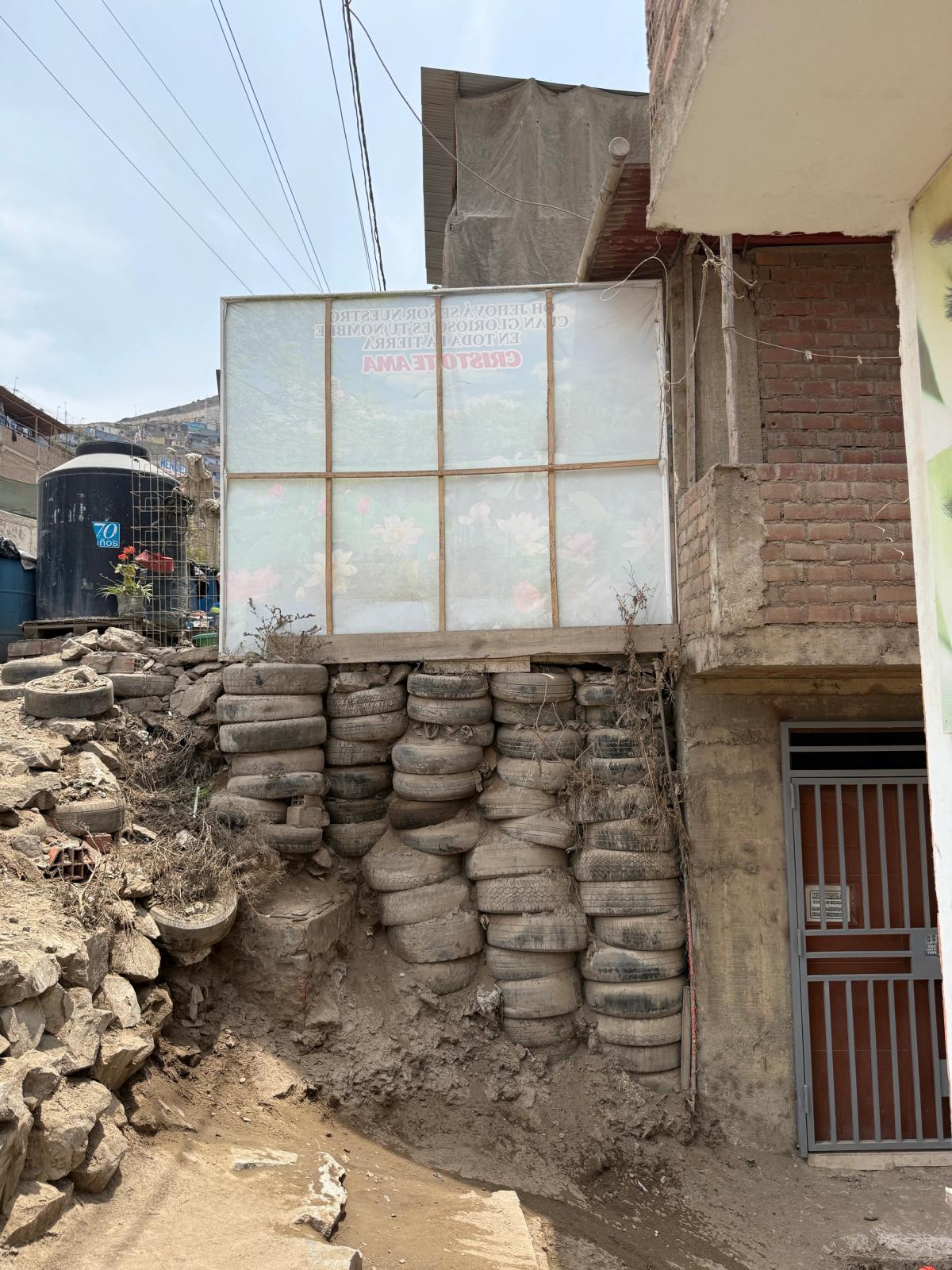
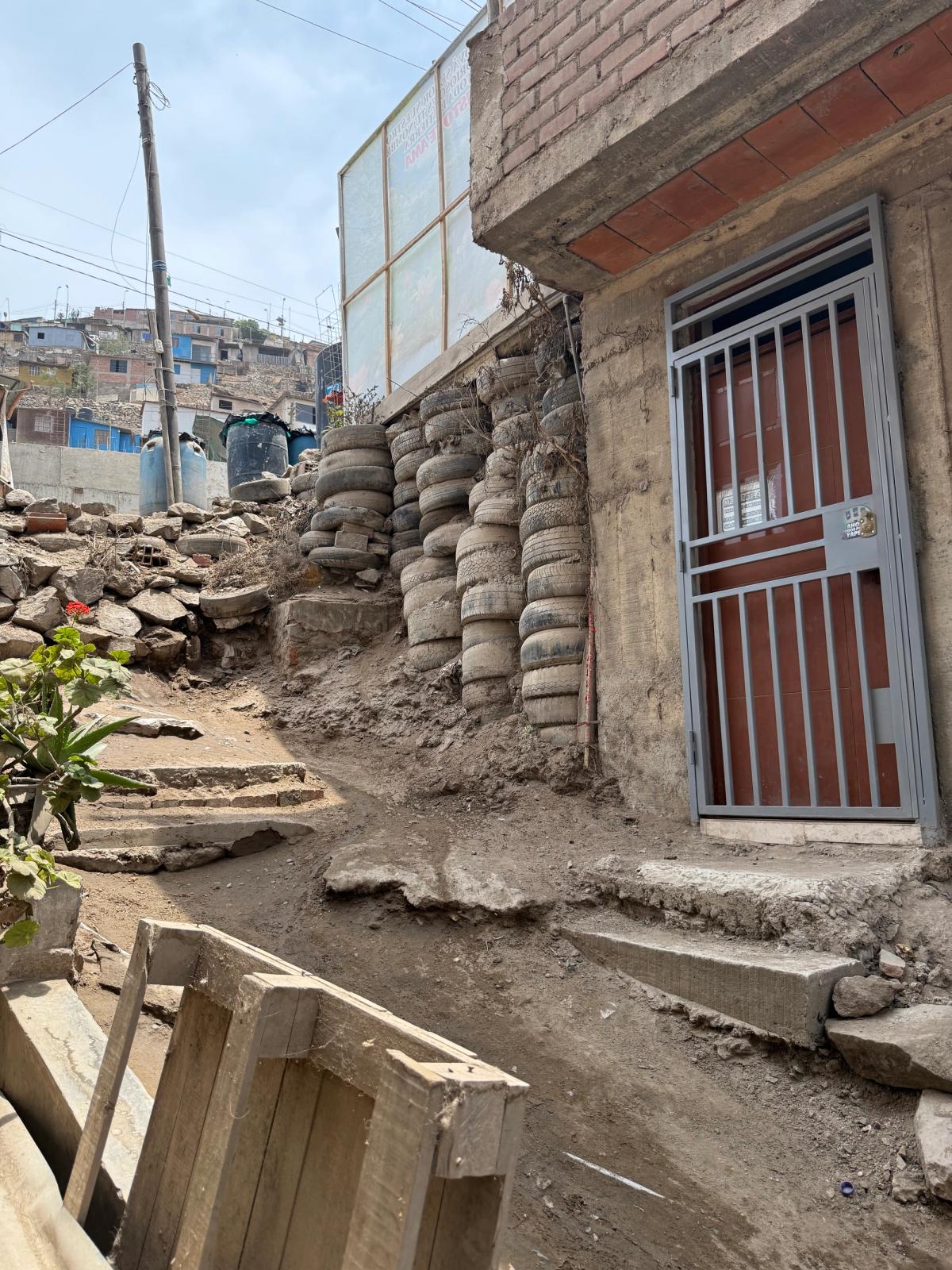
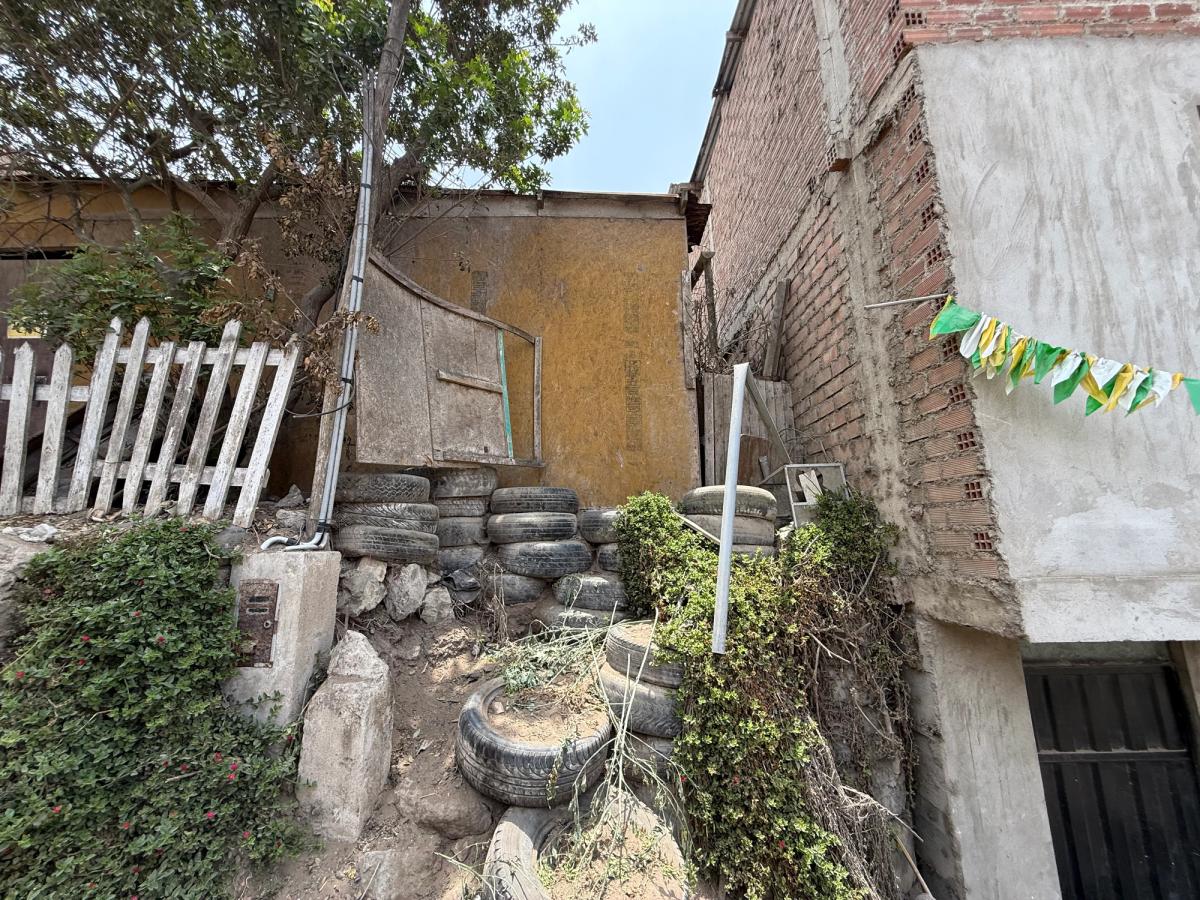
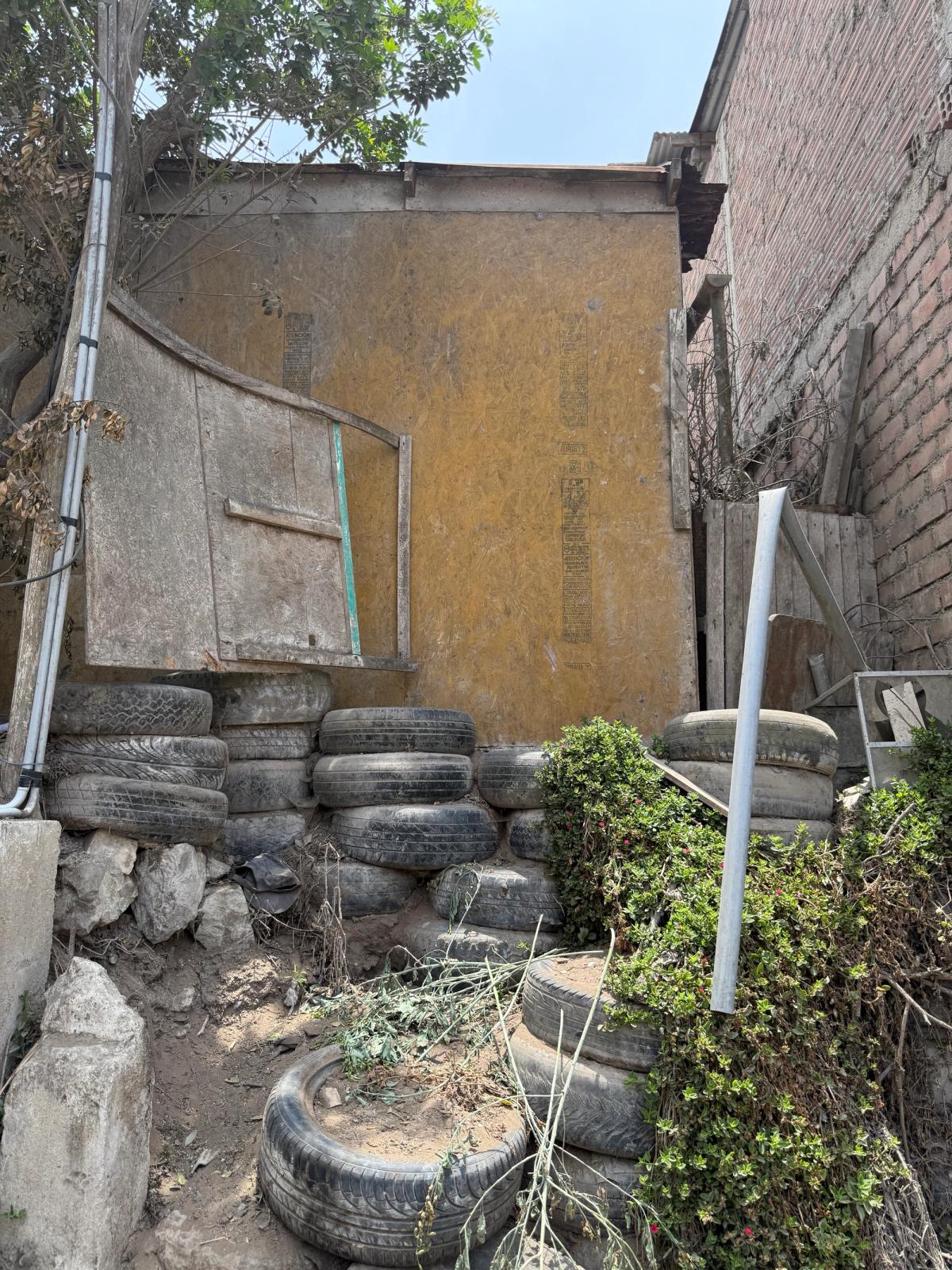
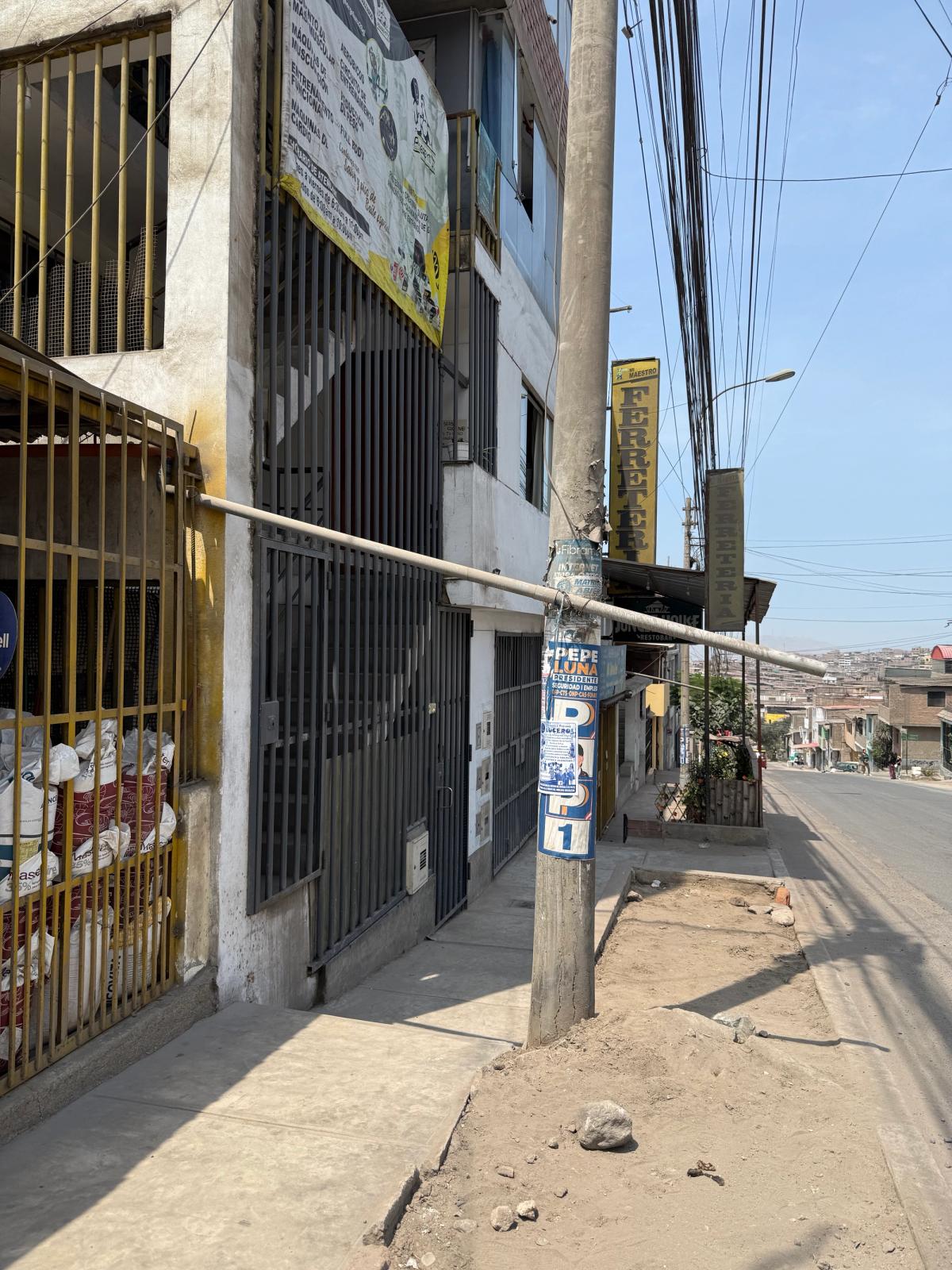
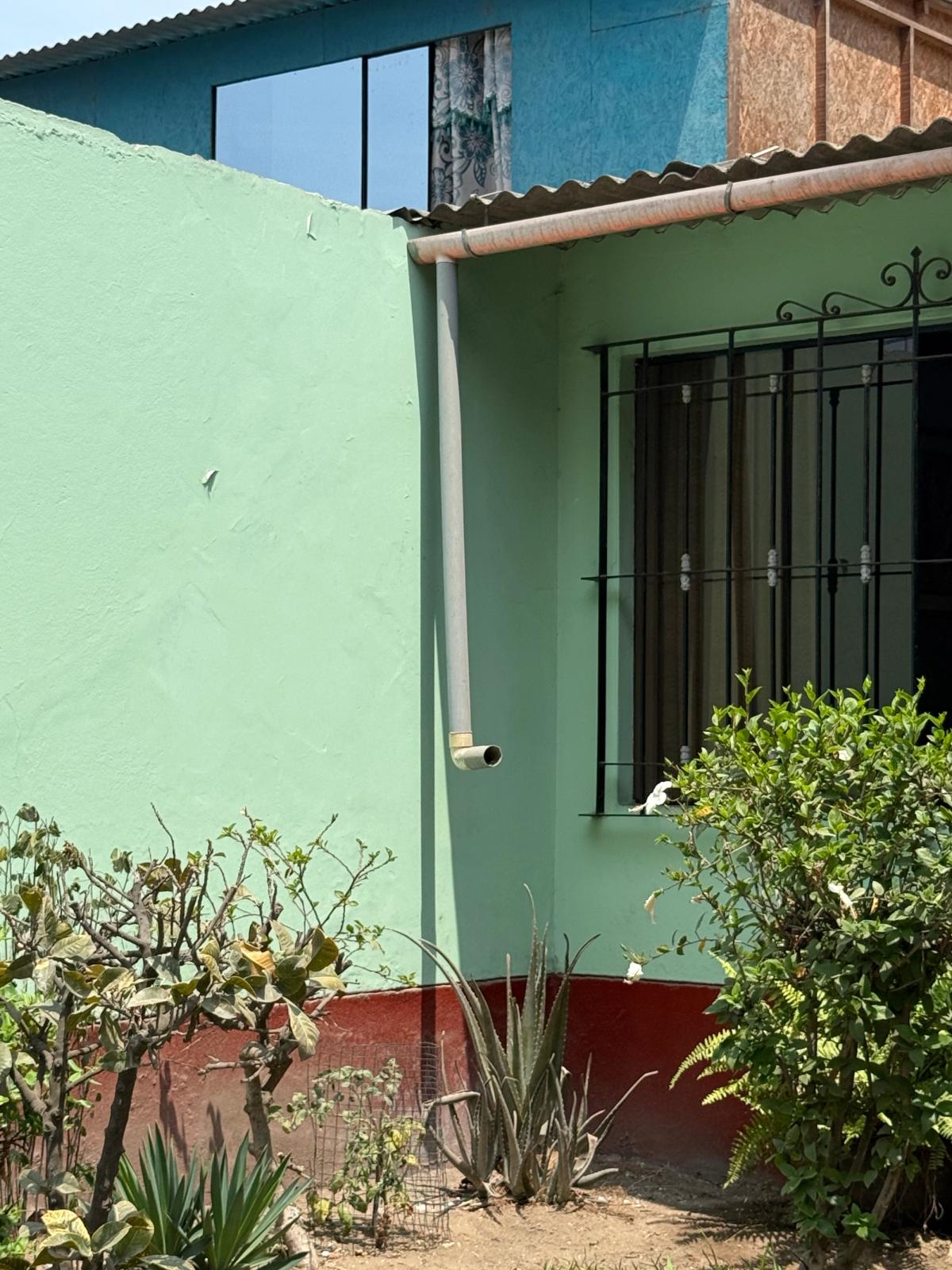
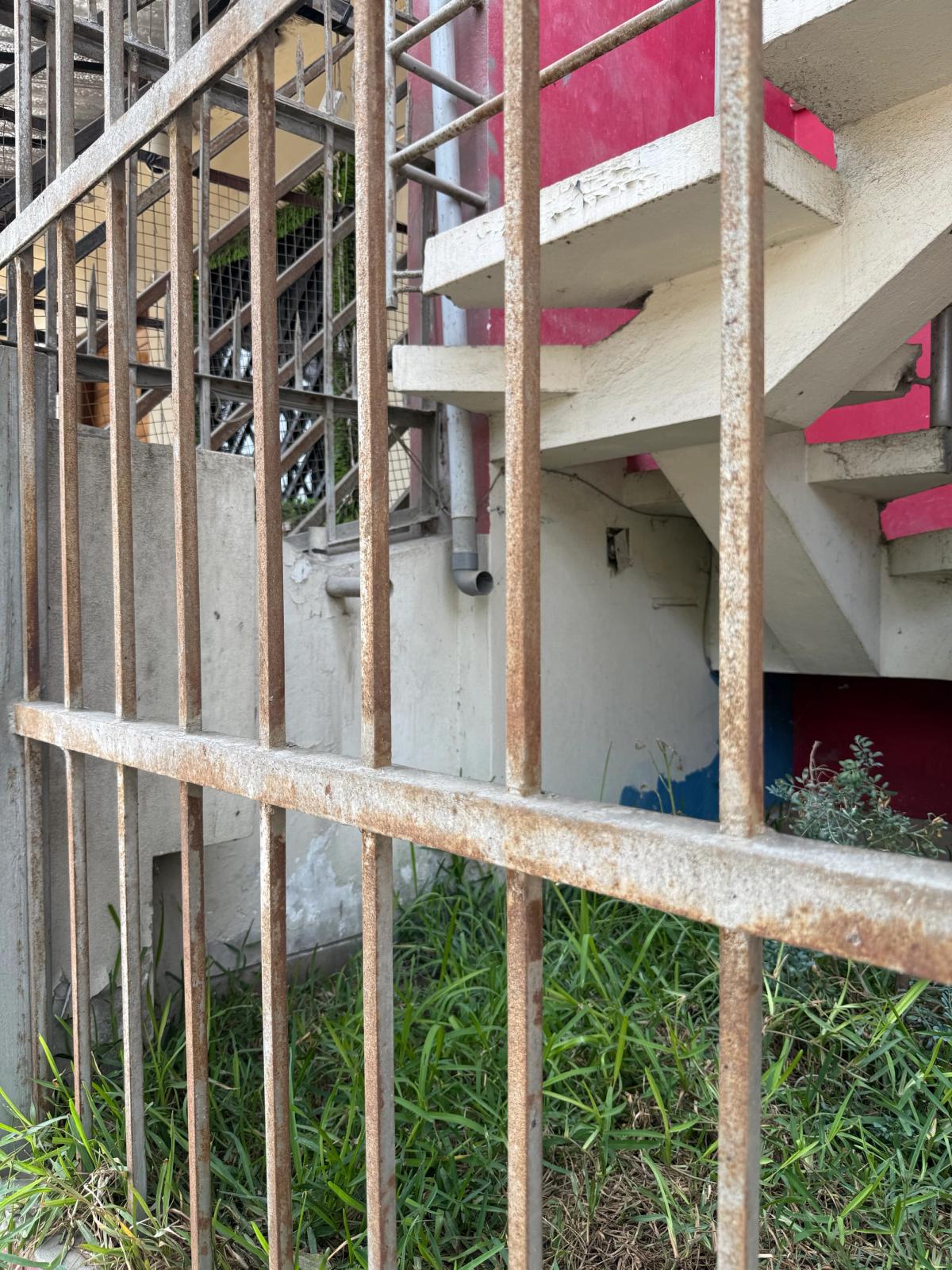
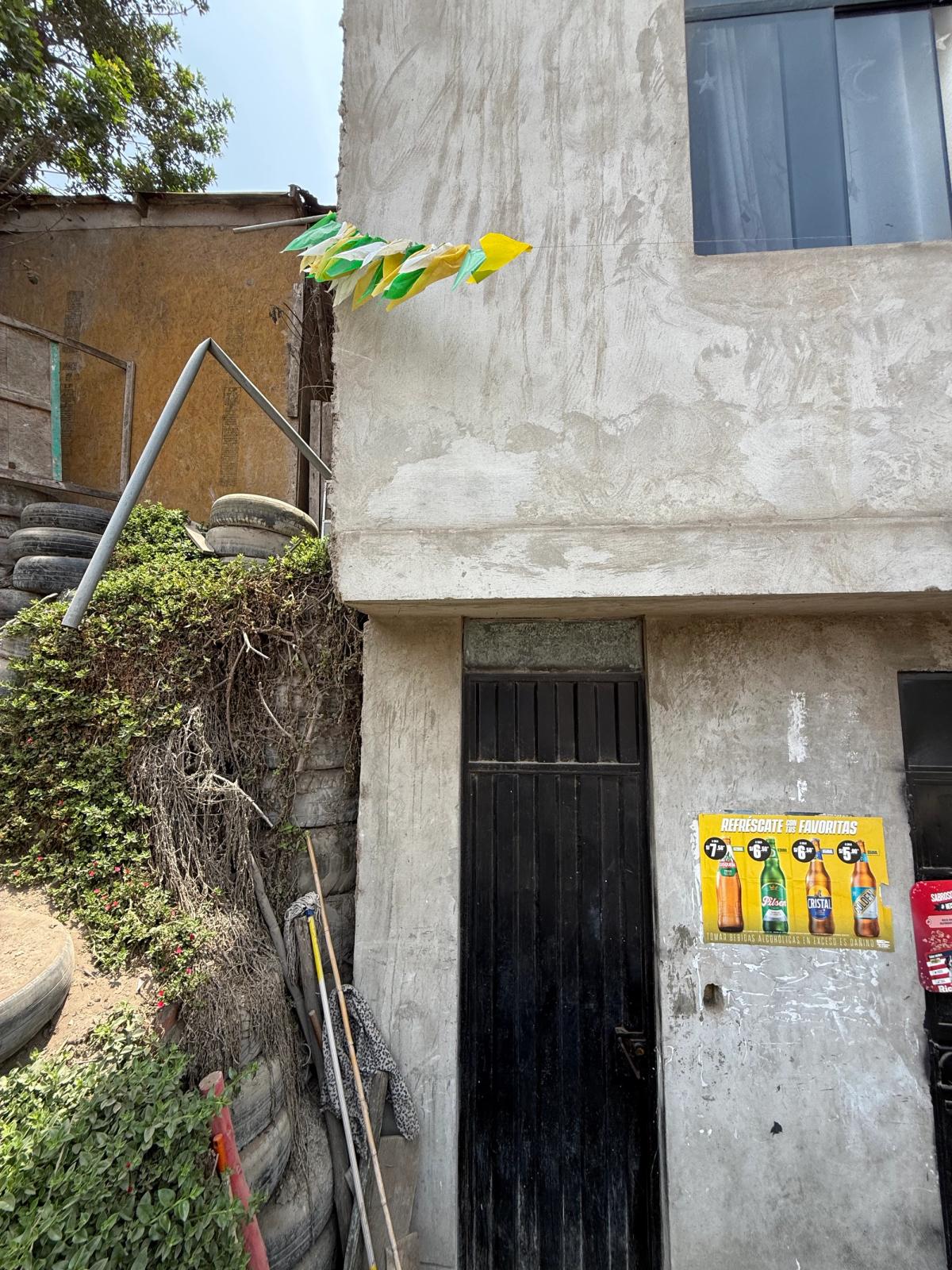
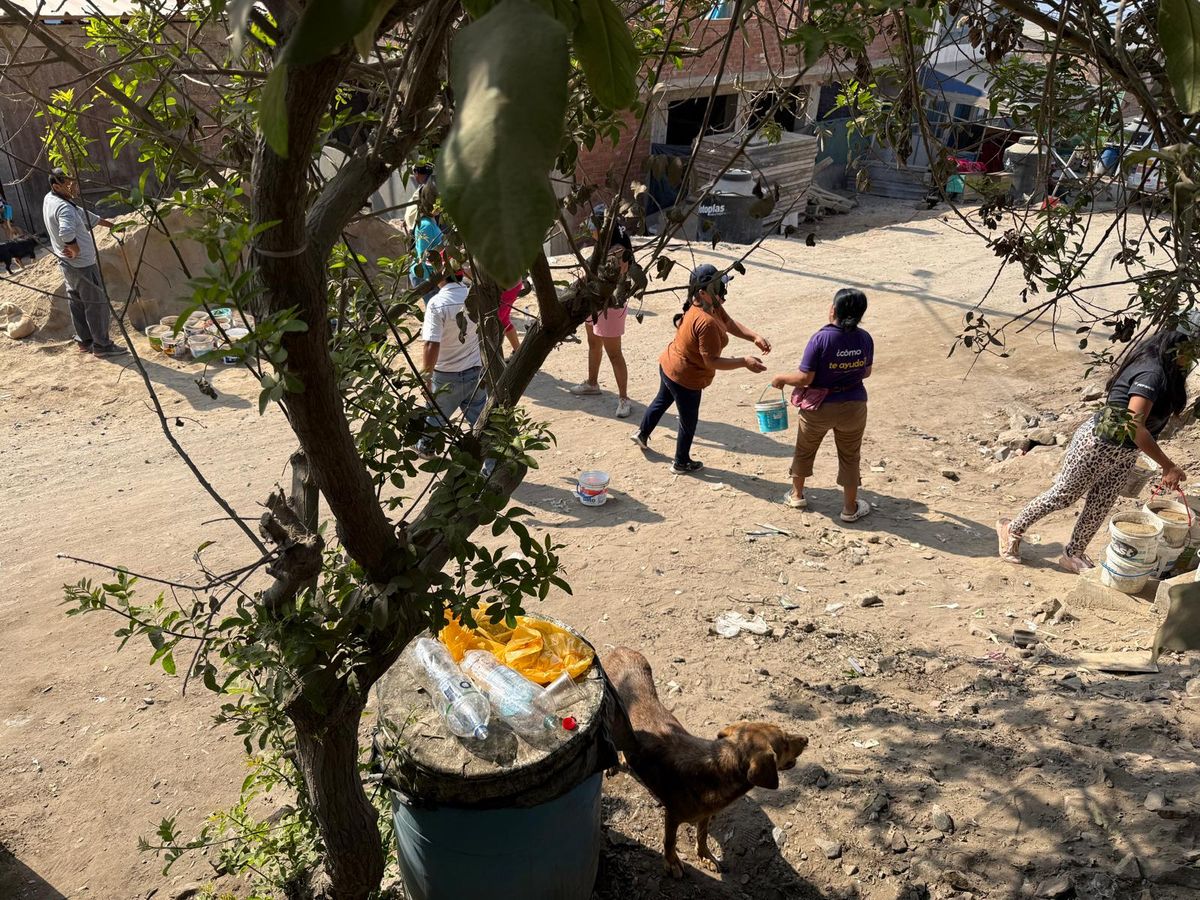
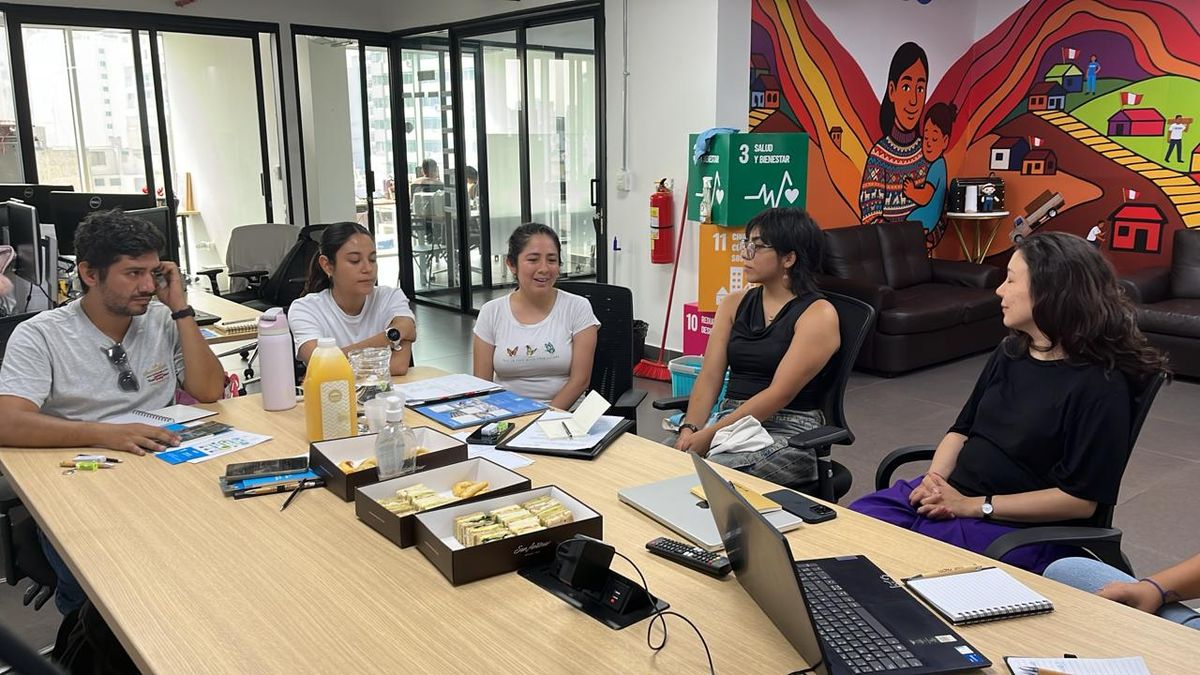
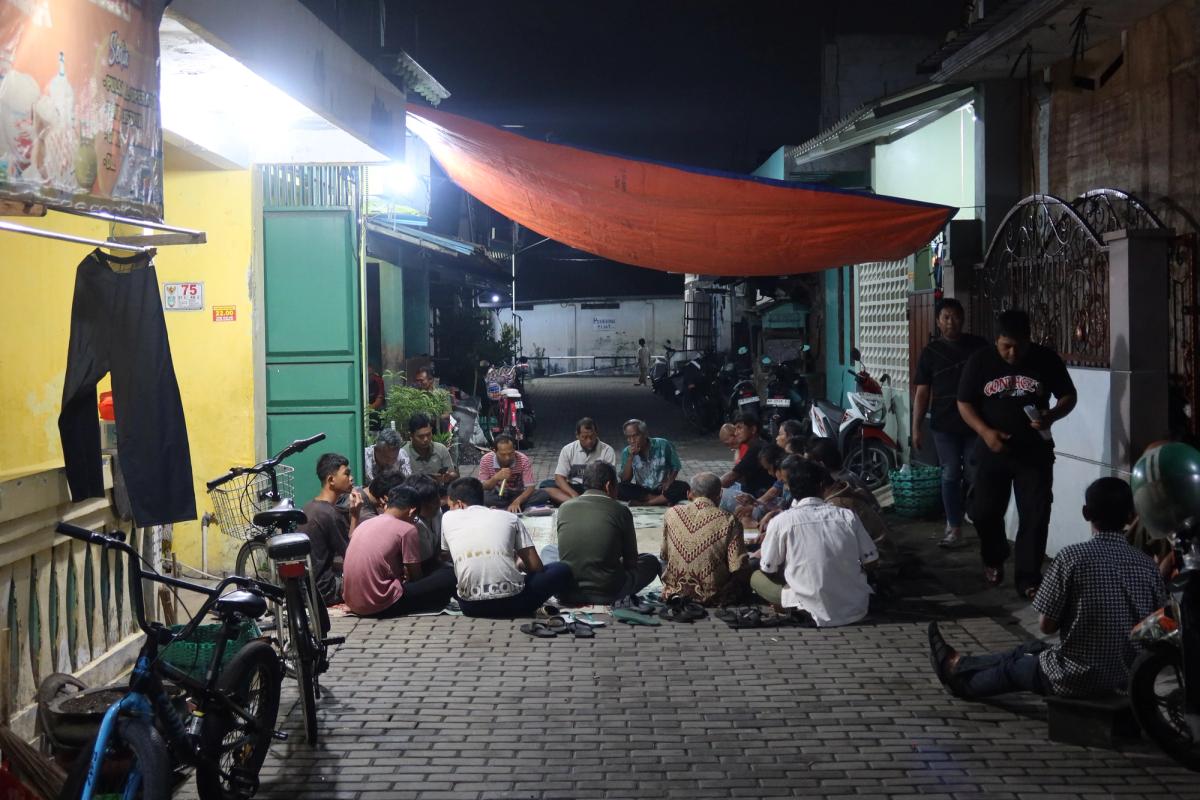
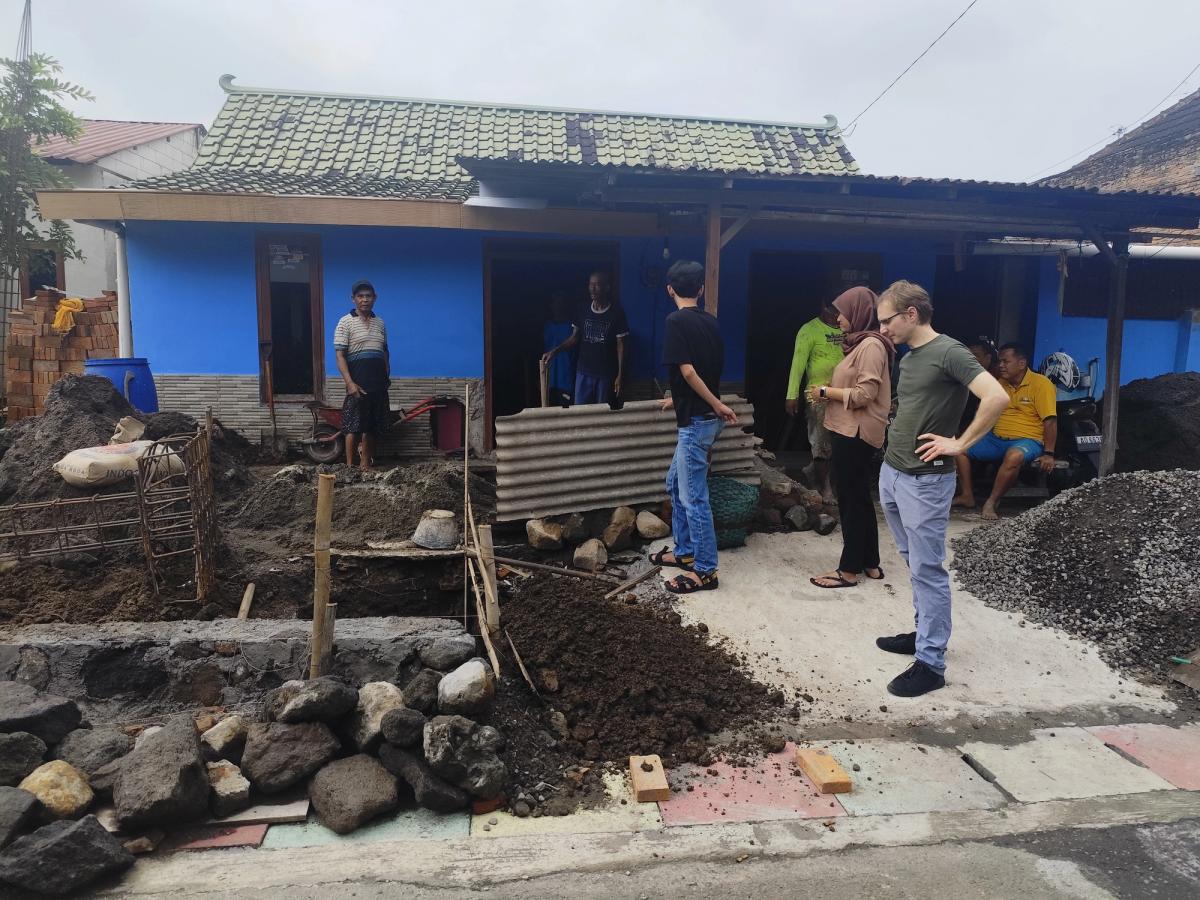
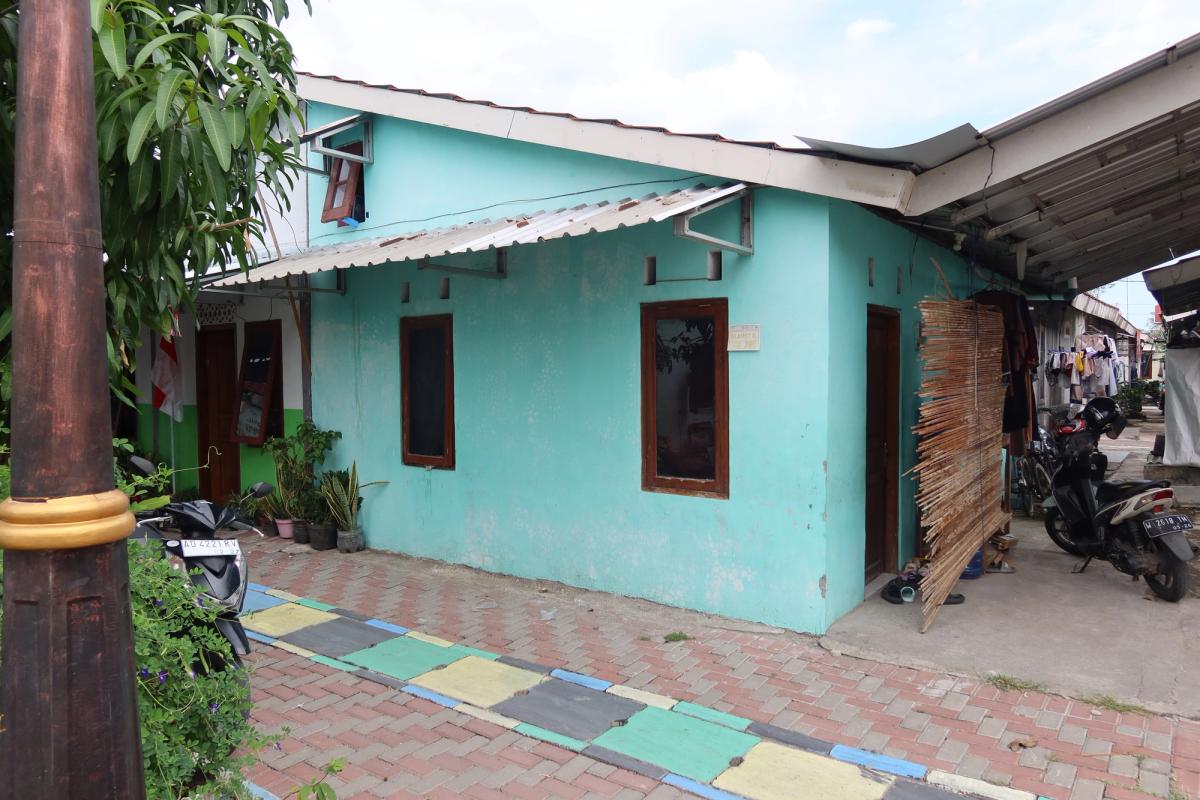
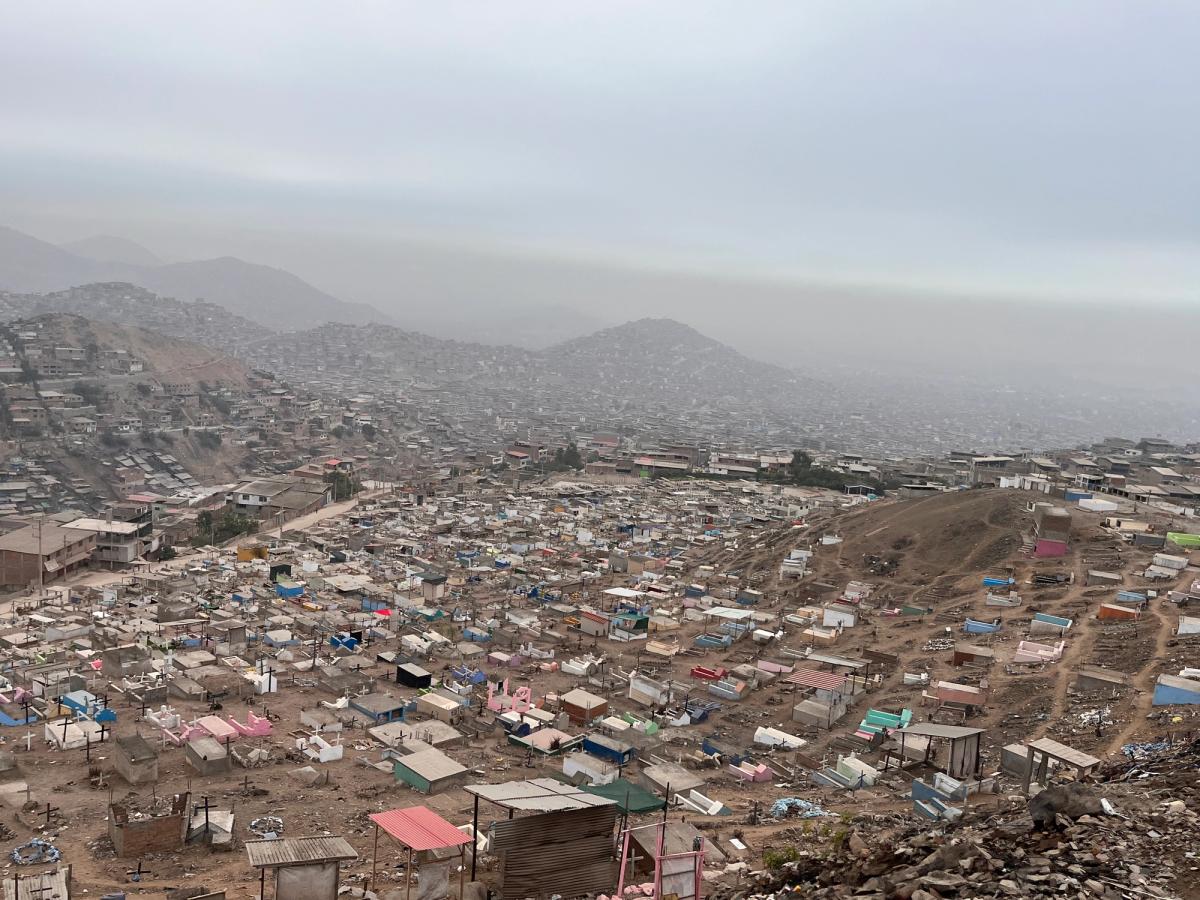
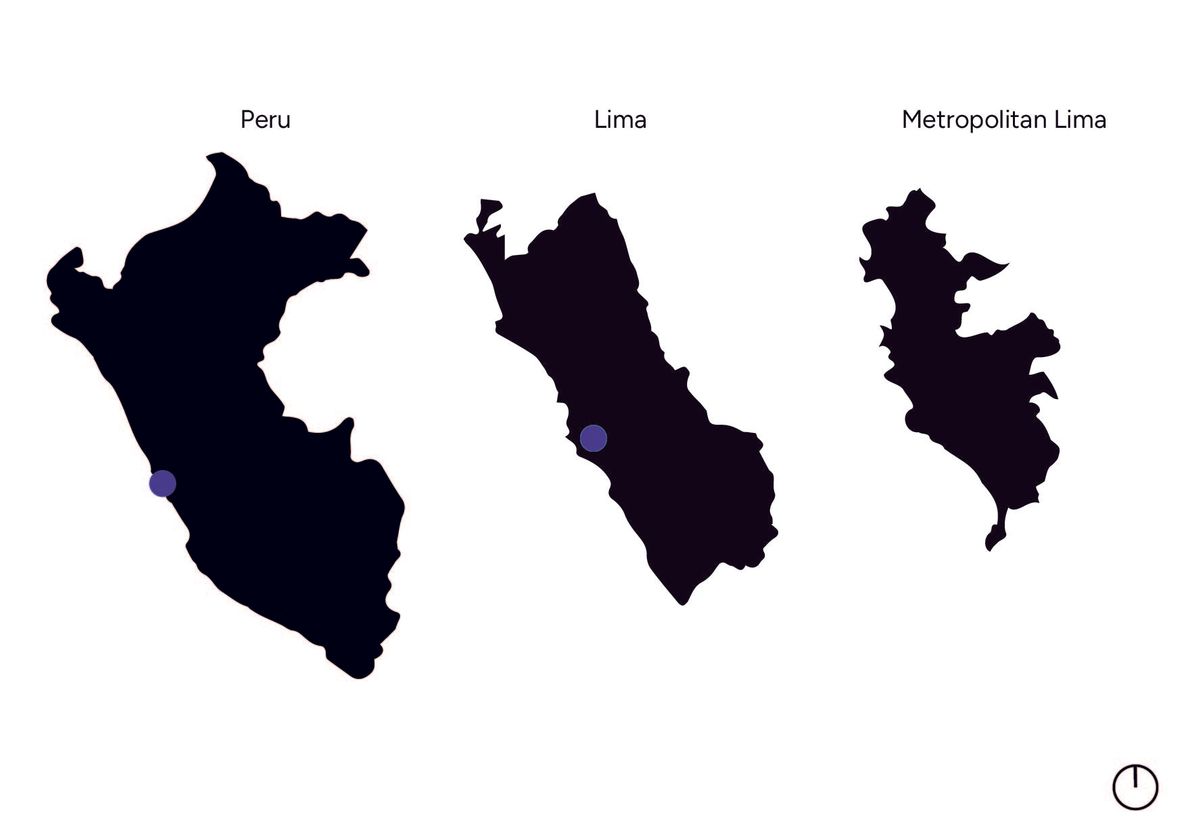
Local adaptations to manage heat in Lima, Peru, focus on mitigating the Urban Heat Island (UHI) effect—particularly in dense, low-income areas like Lince—by expanding green corridors, increasing tree canopy cover, and applying cool surfaces.
XXXXXXXXXX
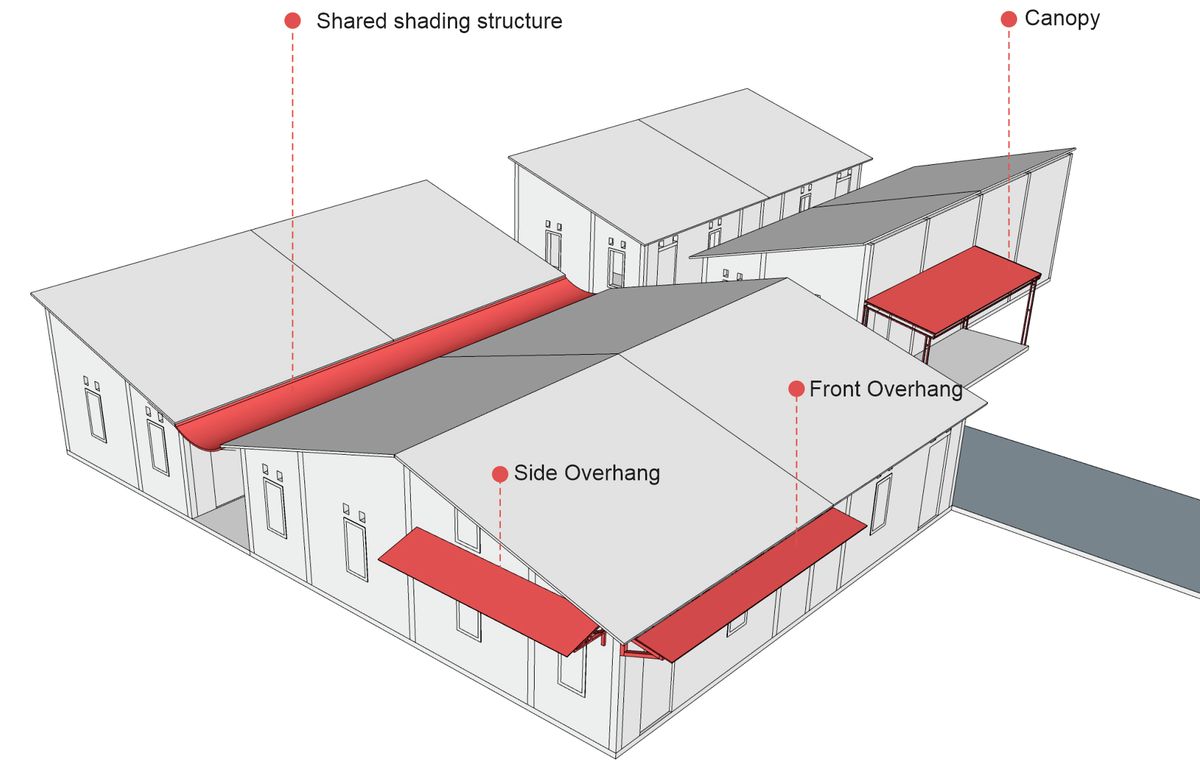
A common architectural approach to indoor cooling is the inclusion of openings in a building´s exterior surface—for example, doors, windows and vents 8 . These openings facilitate indoor and outdoor heat transfer through ventilation—that is, both cross-ventilation and stack-ventilation.
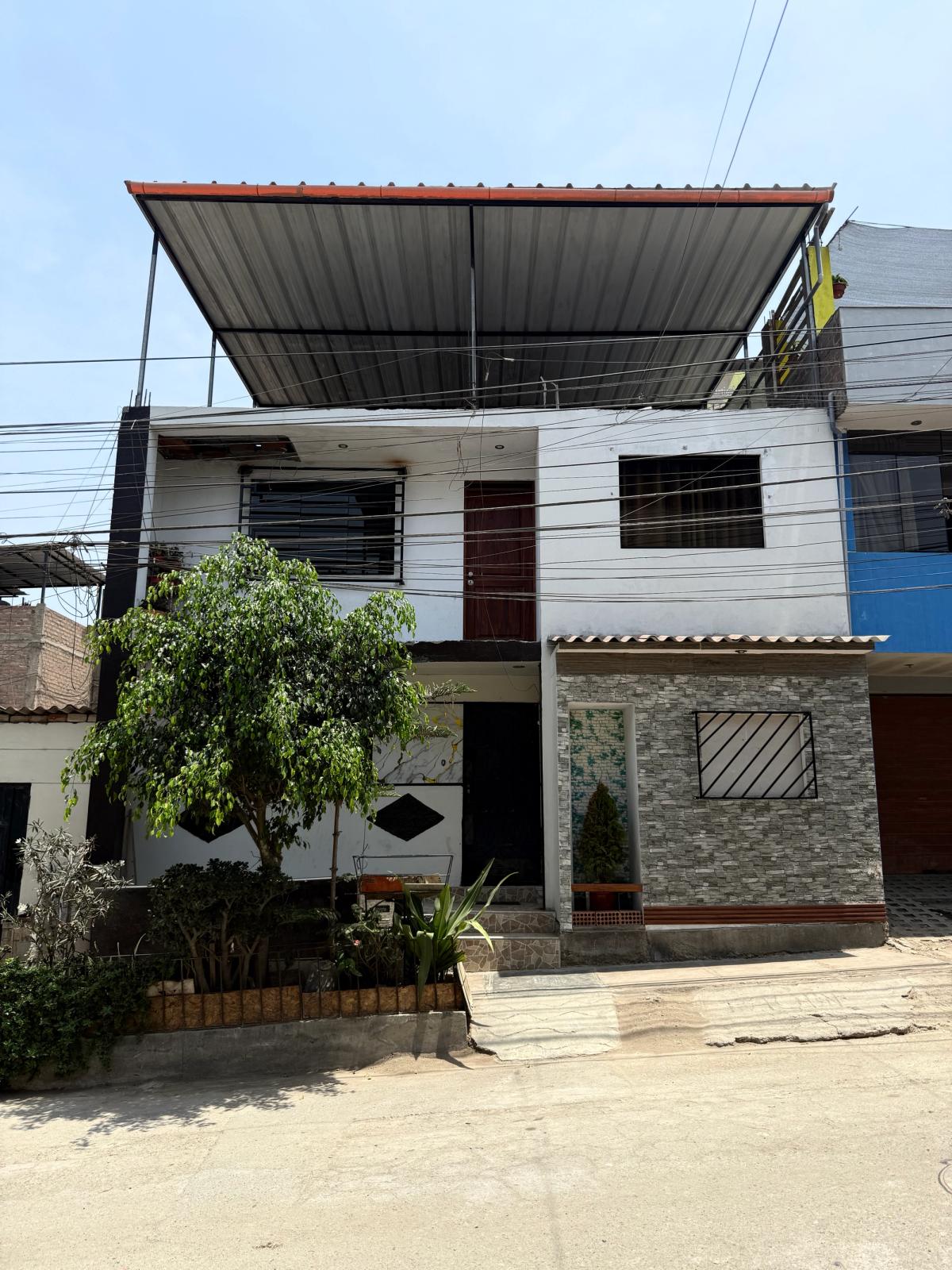
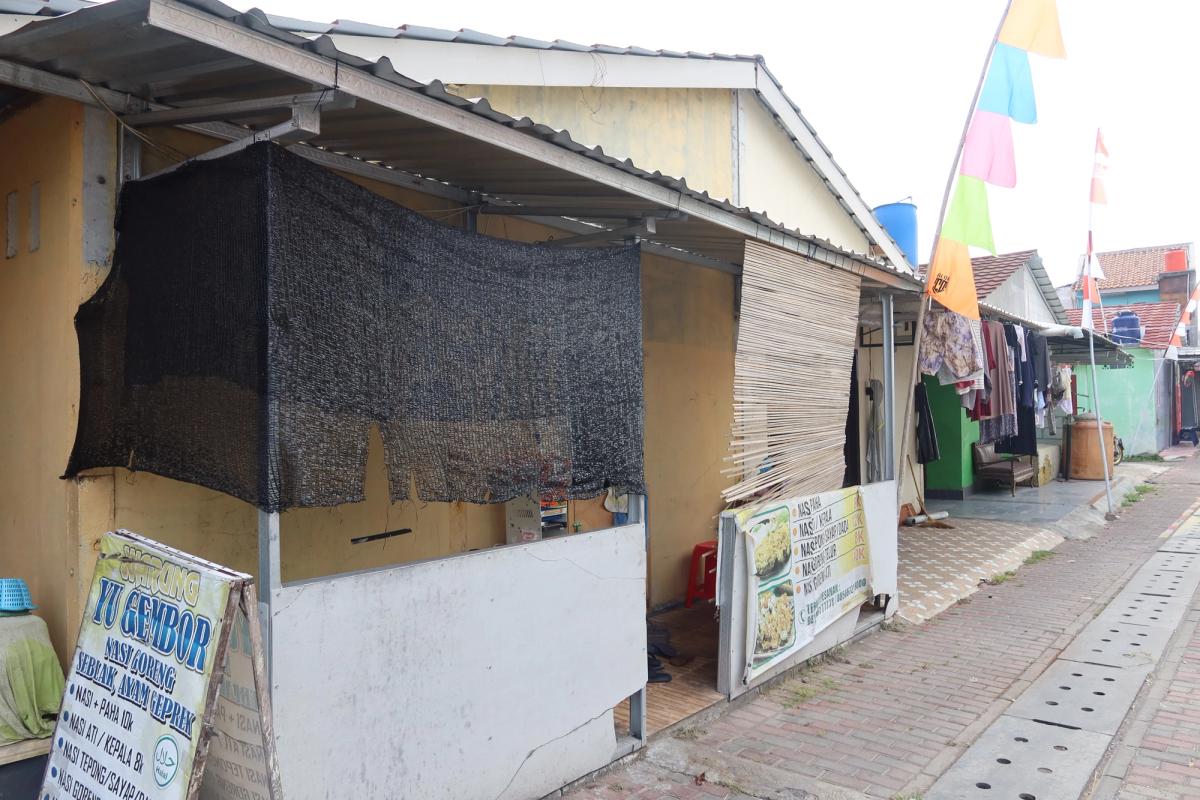
Passive solutions in self-build and incremental housing: towards inclusive socio-ecological transformation in rapidly urbanising areas.
Jun. Prof. Dr. Jakub Galuszka
Sustainable Cities and Climate Change
jakub.galuszka@hcu-hamburg.de
Room 5012
Anna Wilk-Pham
anna.wilk@hcu-hamburg.de
Room 5014
Eileen Dorer Li
eileen.dorer.li@hcu-hamburg.de
Room 5014
HafenCity Universität Hamburg
Henning-Vscherau-Platz 1
20457 Hamburg
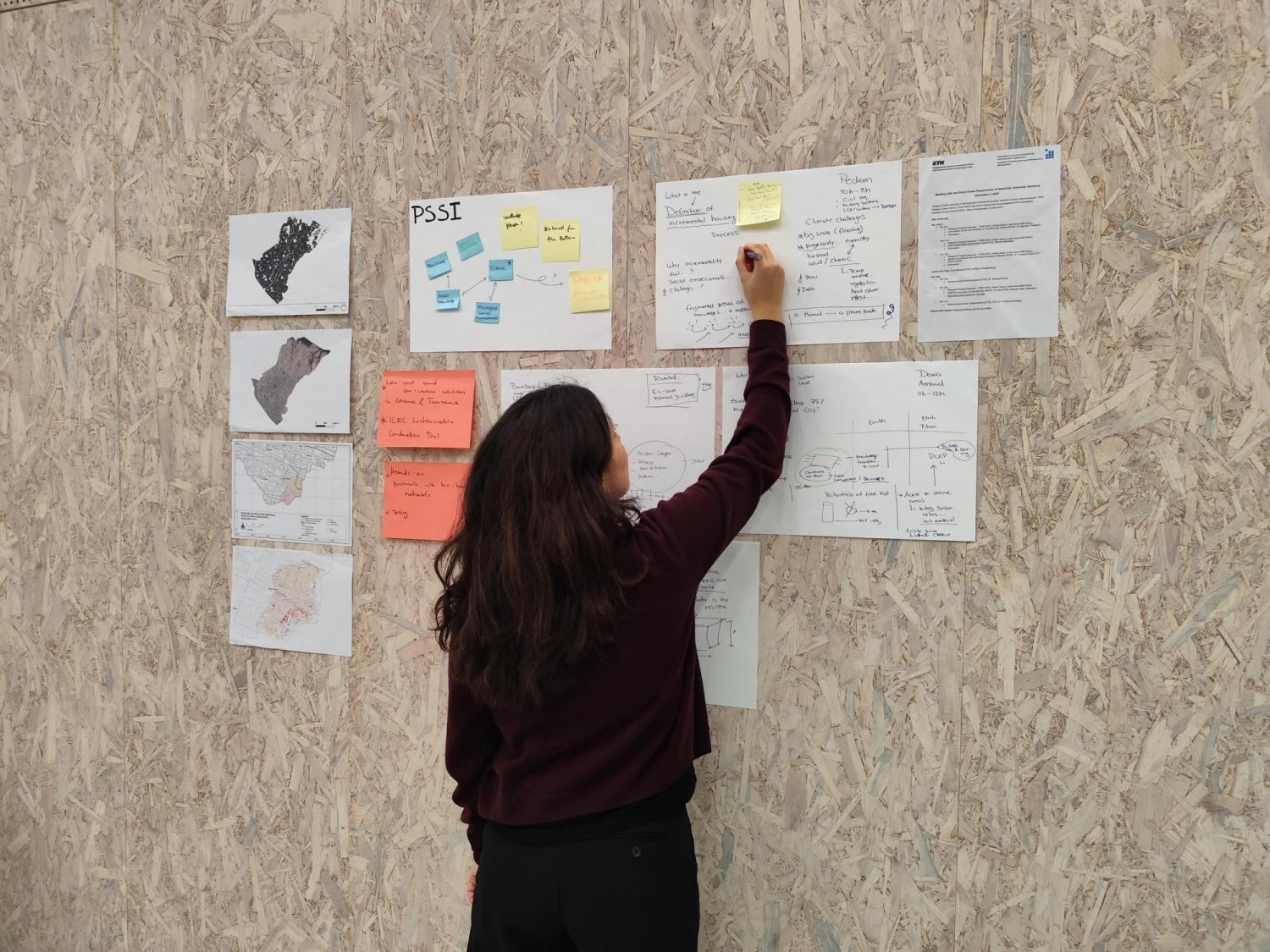
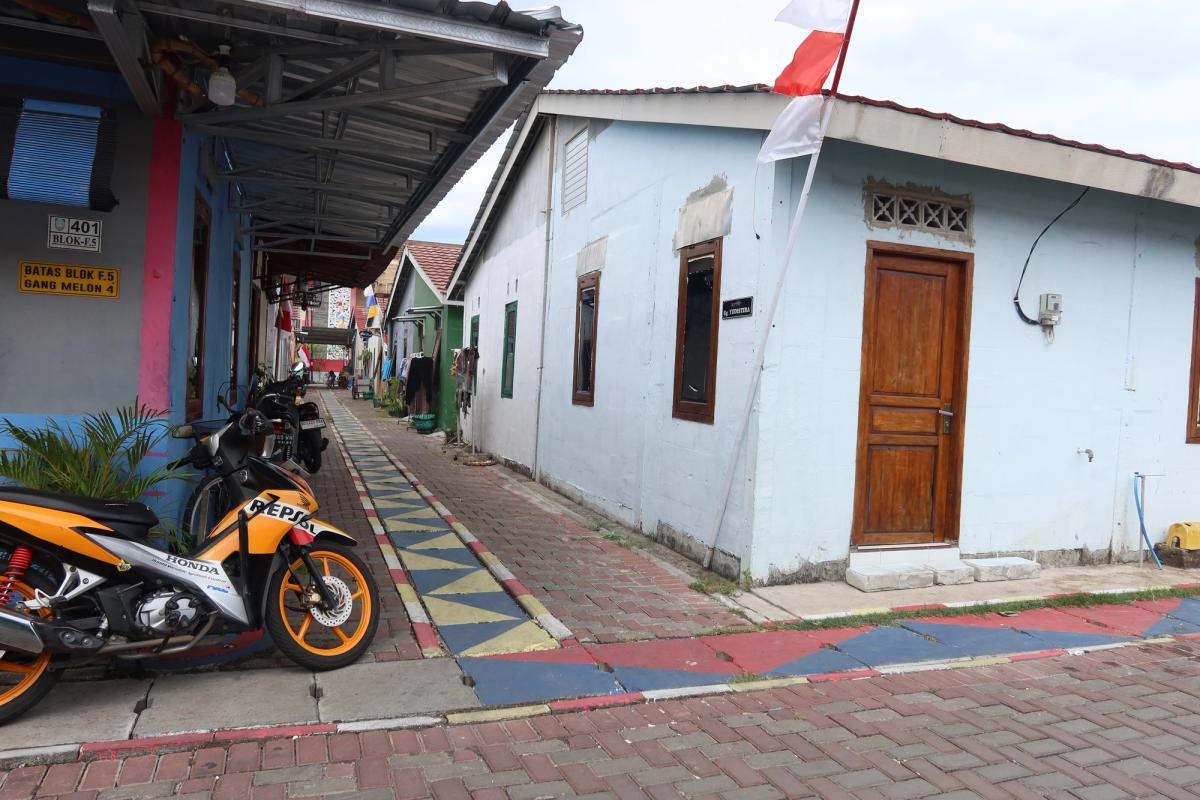
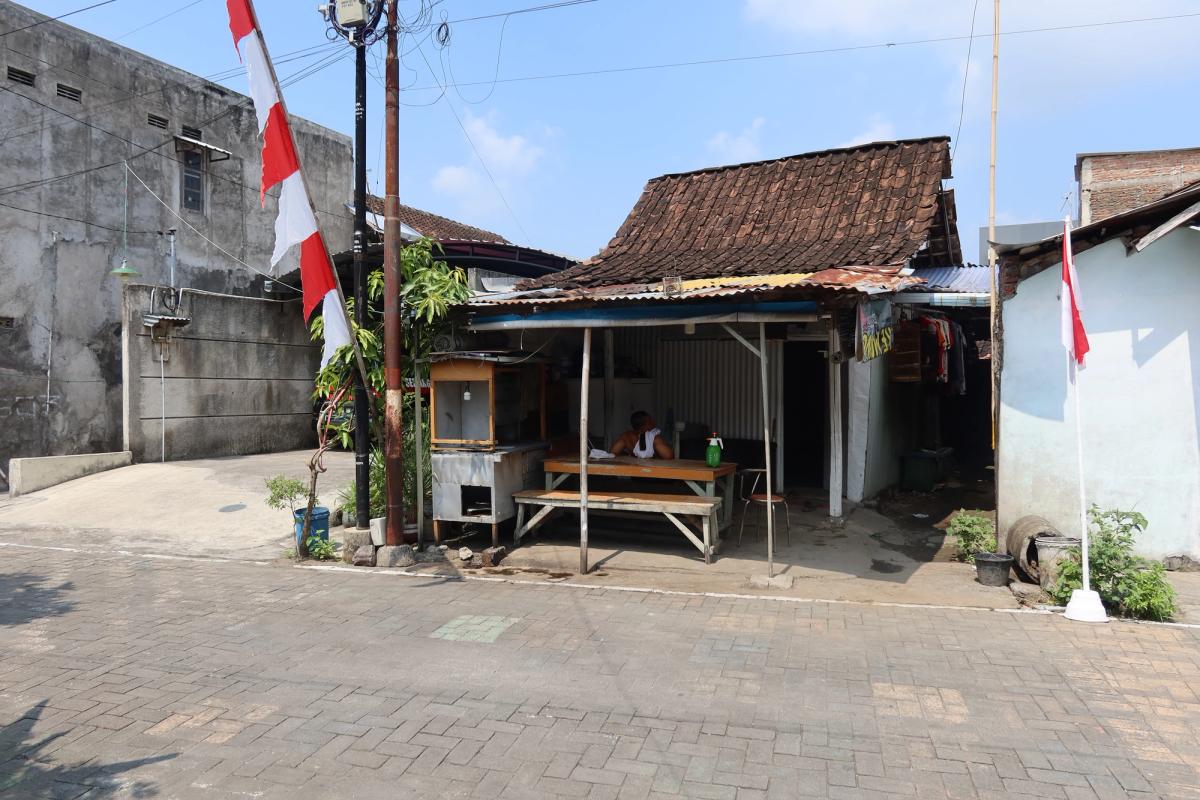
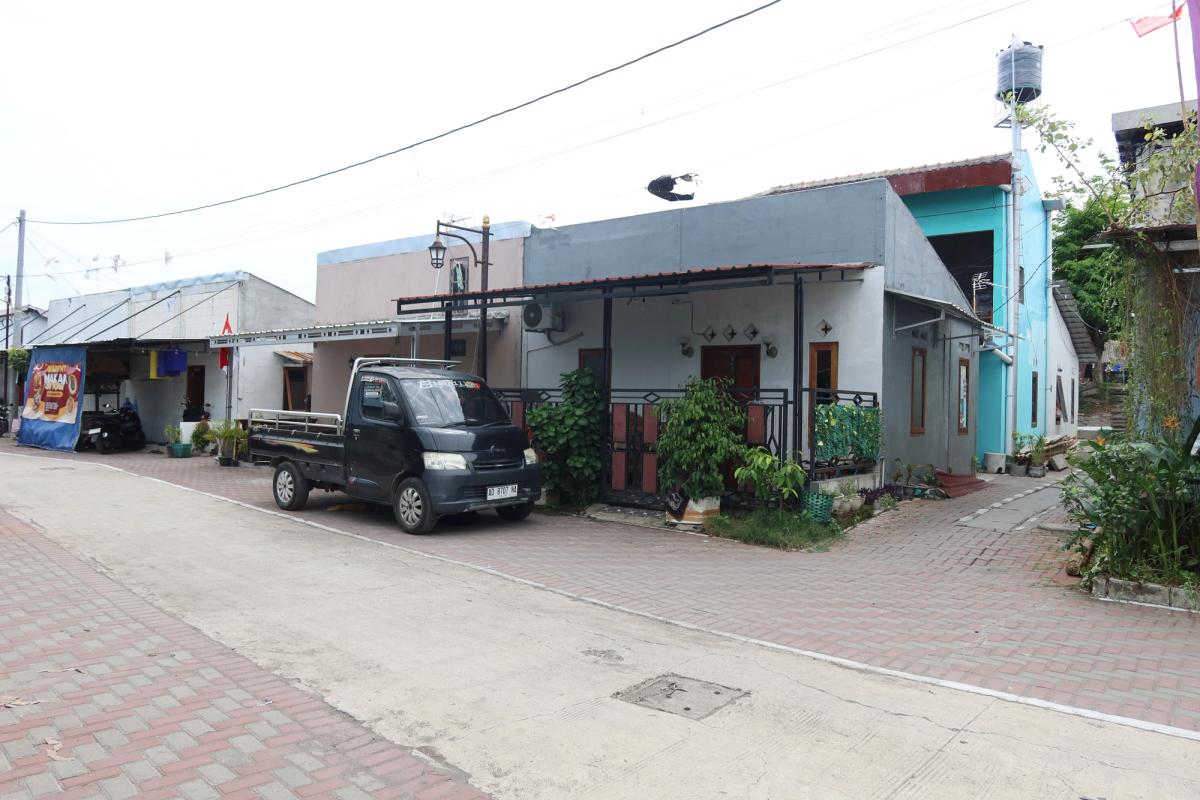
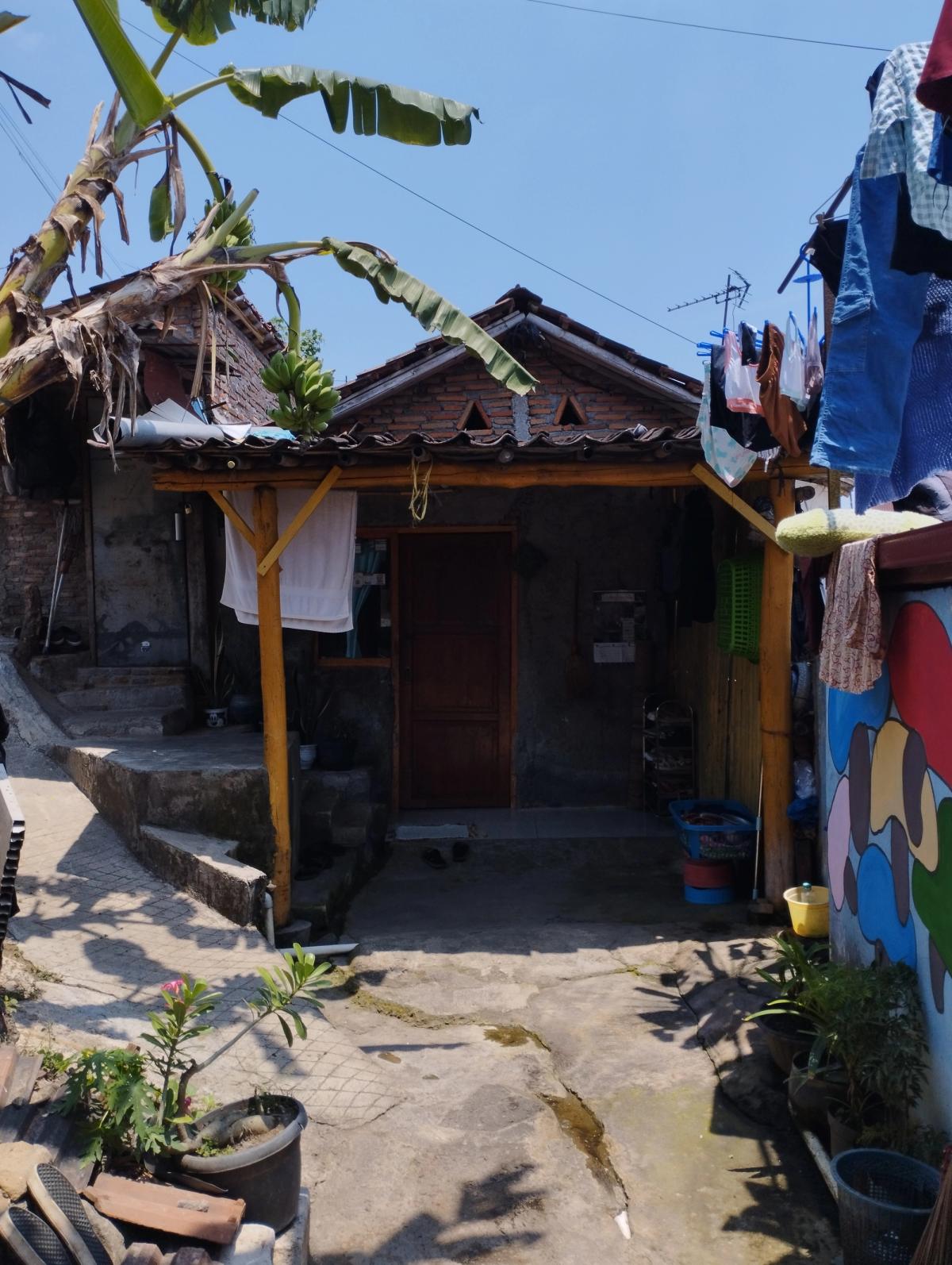
Rapid urbanisation is reshaping cities worldwide, with most new housing in the Global South being built incrementally and directly by people themselves. The PSSI project explores how passive design and climate-responsive solutions can be integrated into these self-build processes — making housing more affordable, inclusive, and resilient.
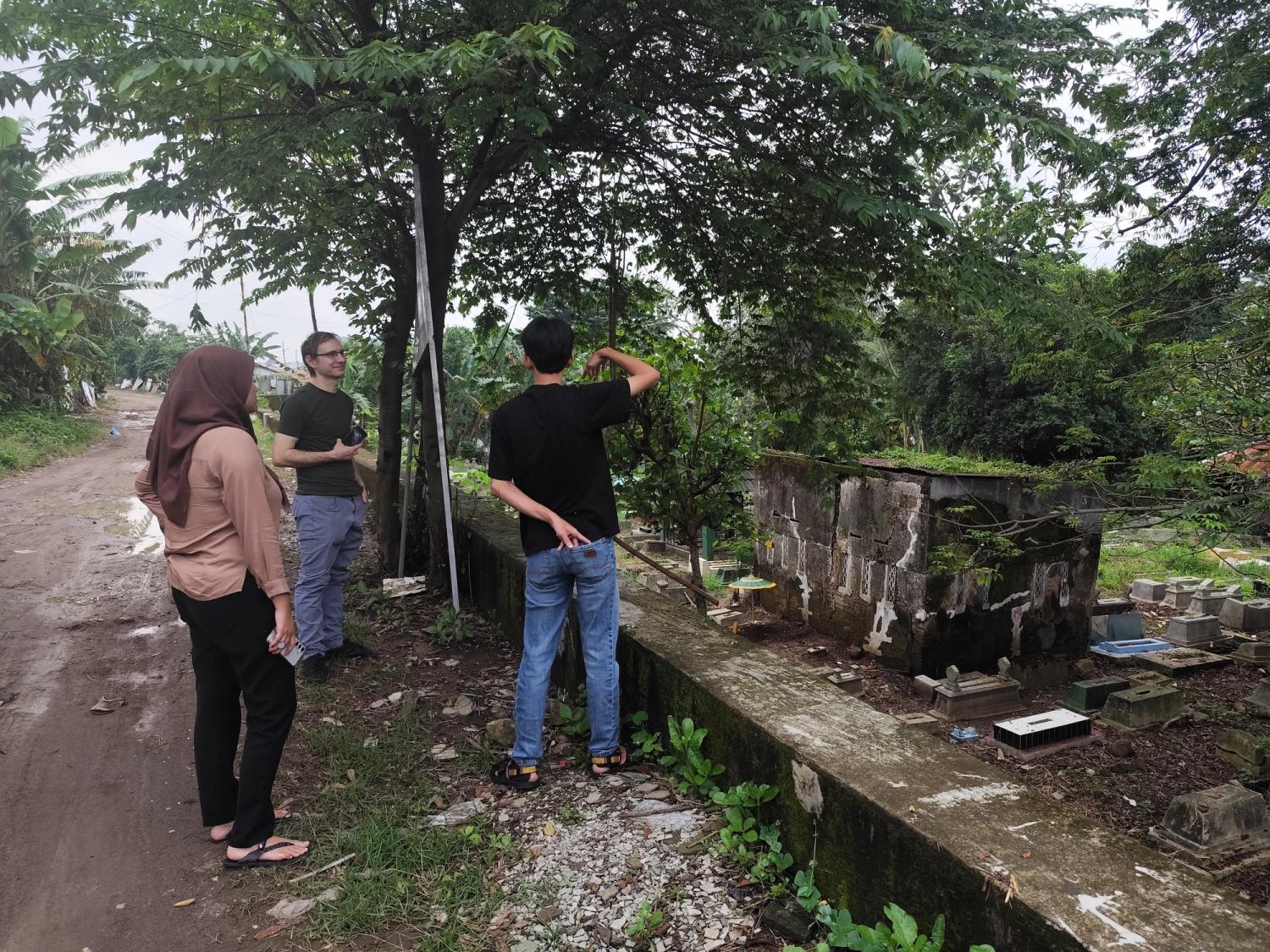
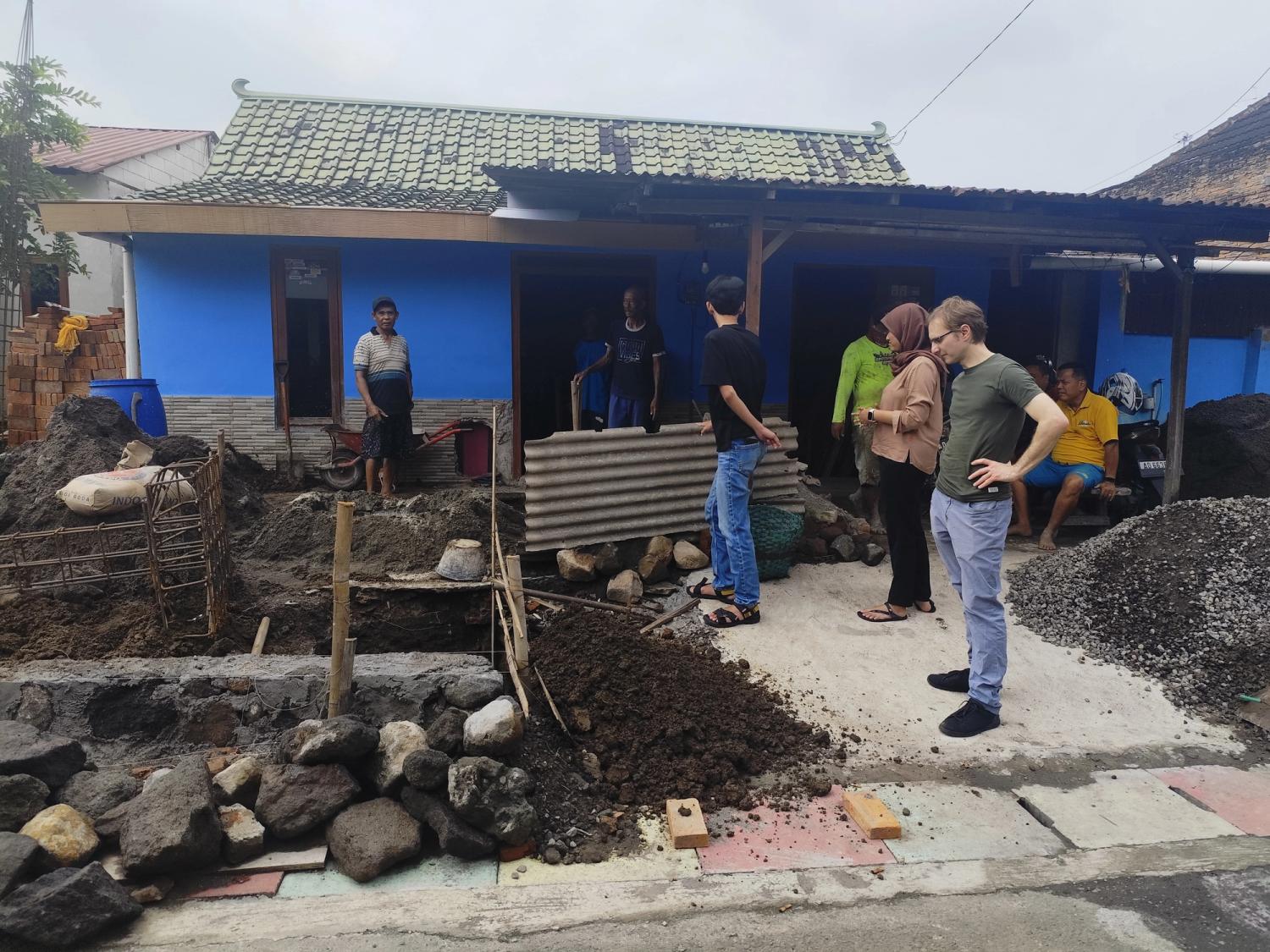
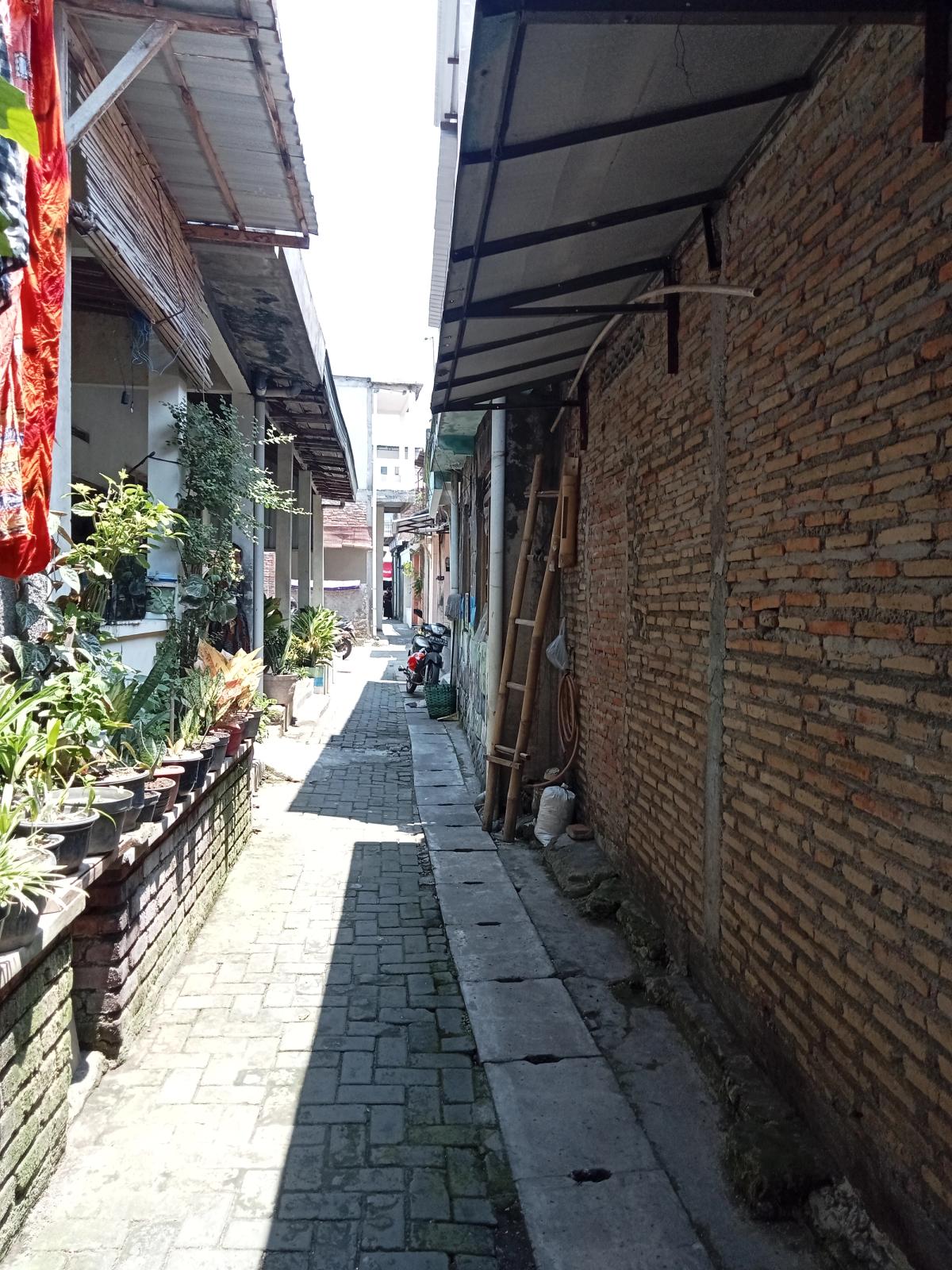
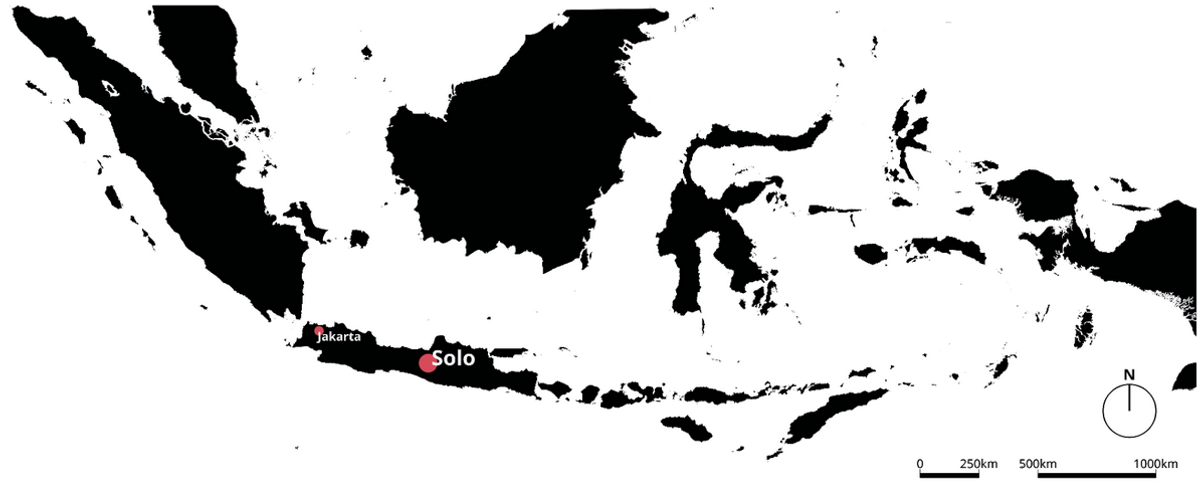
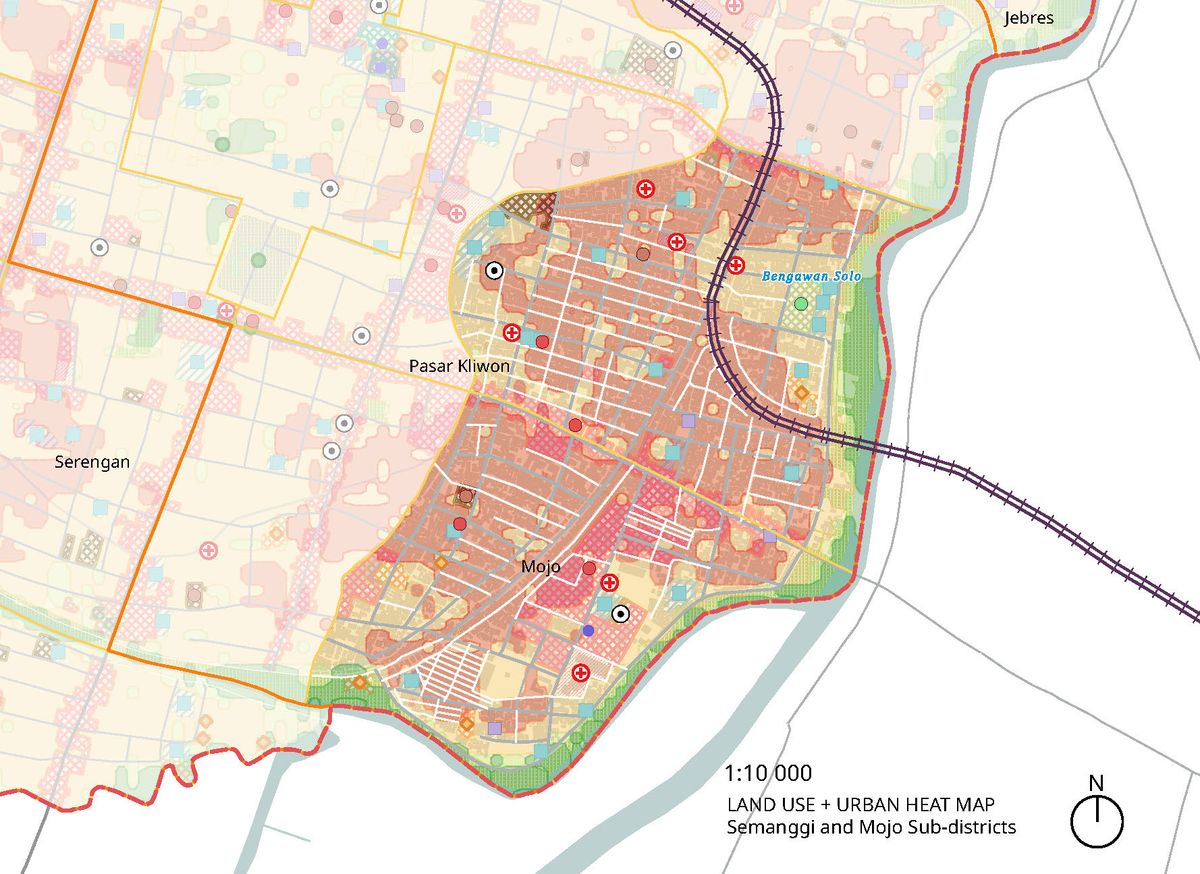
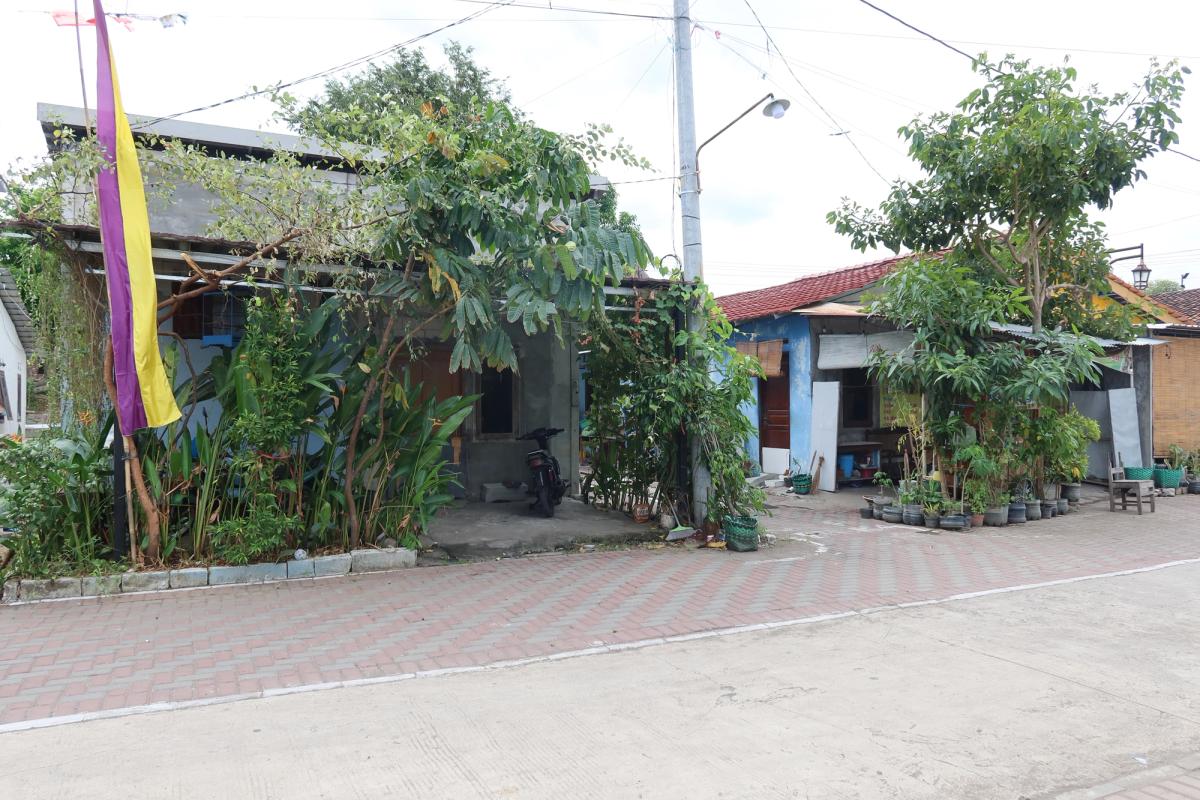
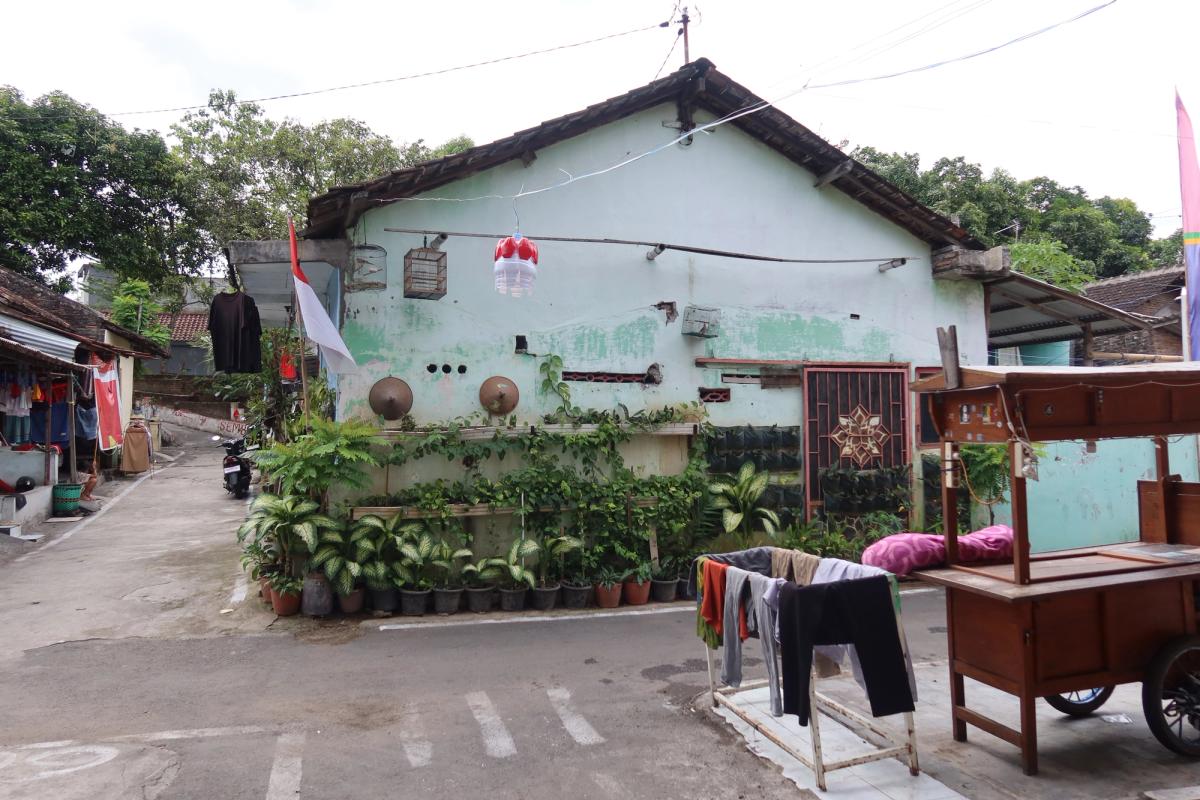
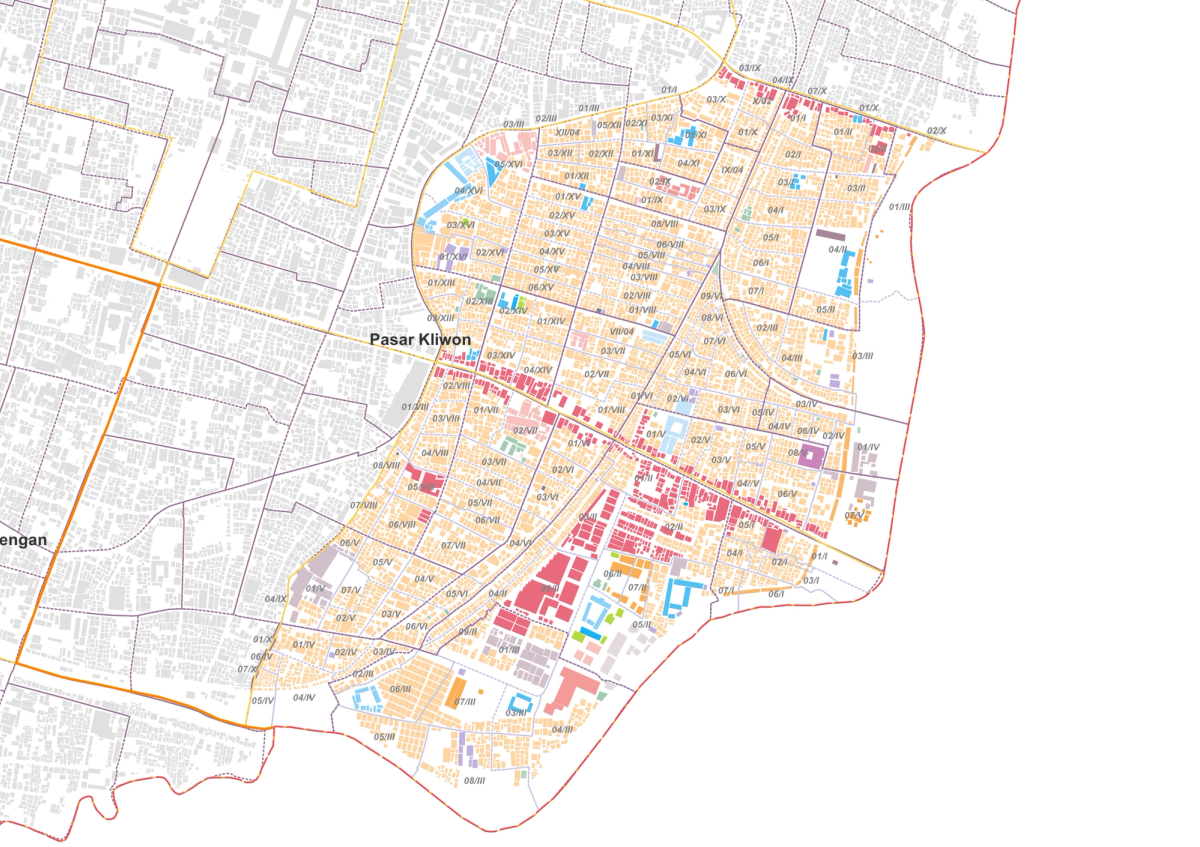
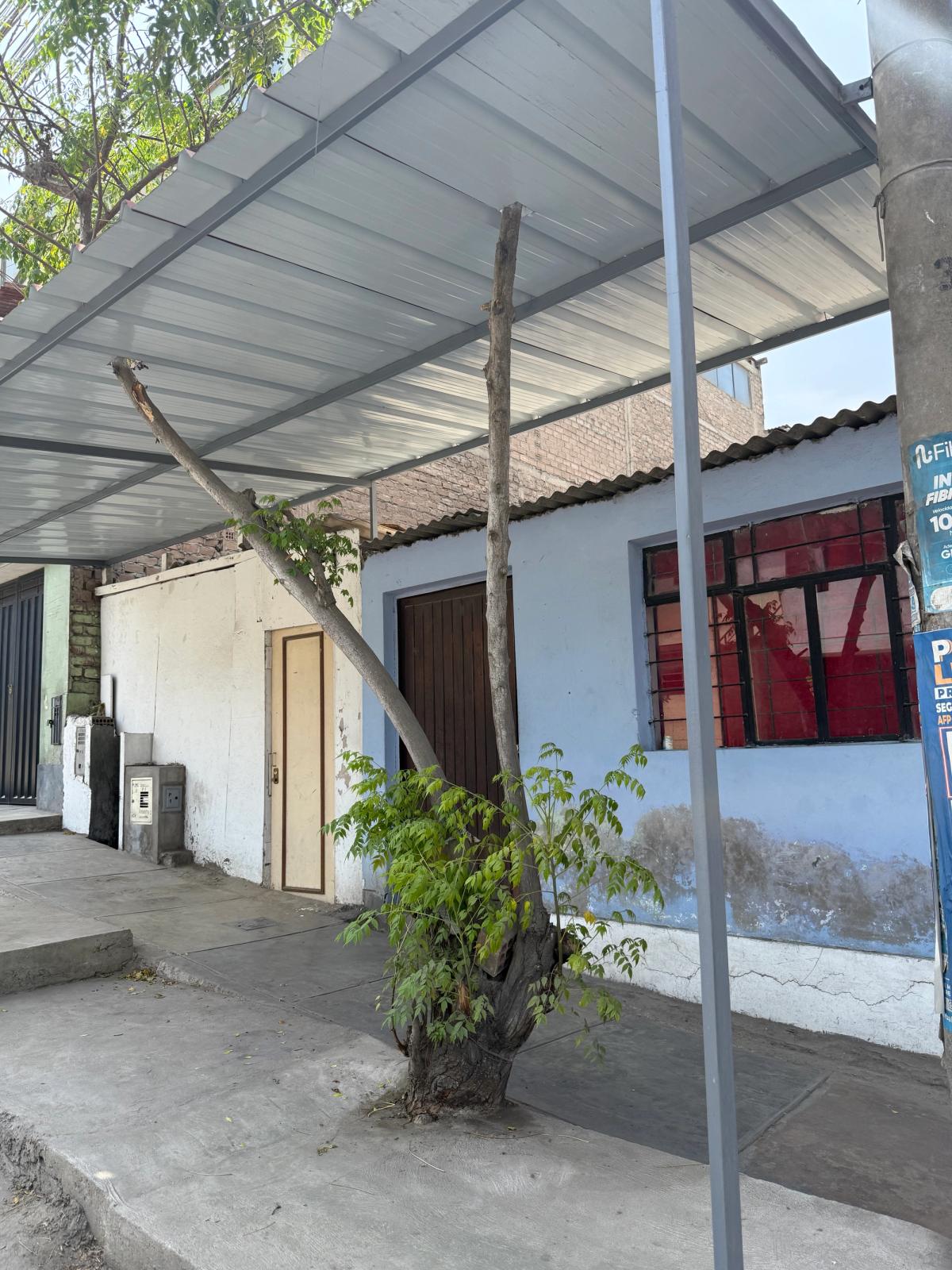
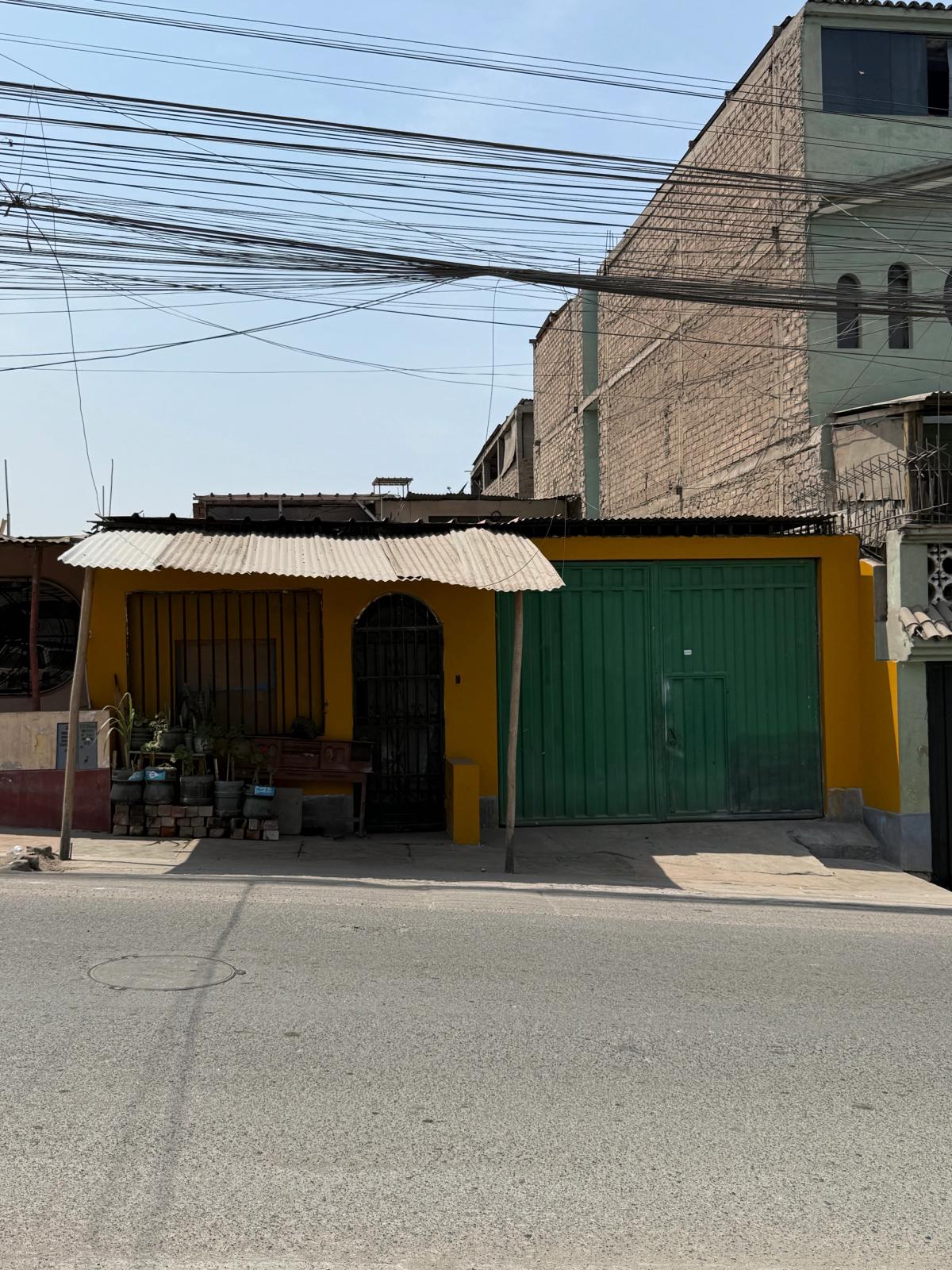
Working in Peru and Indonesia, and in close collaboration with Habitat for Humanity and Kota Kita Foundation, the project develops and tests practical solutions together with local communities, ensuring that green housing transformation reaches those who need it most.
PSSI aims to:
- Explore under which conditions incremental and self-build housing can integrate climate adaptation and inclusivity.
- Identify design, financial, and capacity-building solutions that make passive housing feasible and scalable in low-income contexts.
- Co-design, test, and mainstream passive housing solutions (e.g., energy efficiency, sustainable materials, water harvesting).
- Produce an open-access manual and capacity-building materials to support communities, NGOs, and municipalities worldwide.
The project follows an action research approach:
Diagnosis
- understand current housing practices, risks, and material flows through ethnography and participatory research.
Co-design
- develop solutions with communities, supported by design studios at HafenCity
University Hamburg (HCU) and local universities in Indonesia and Peru.
Prototyping
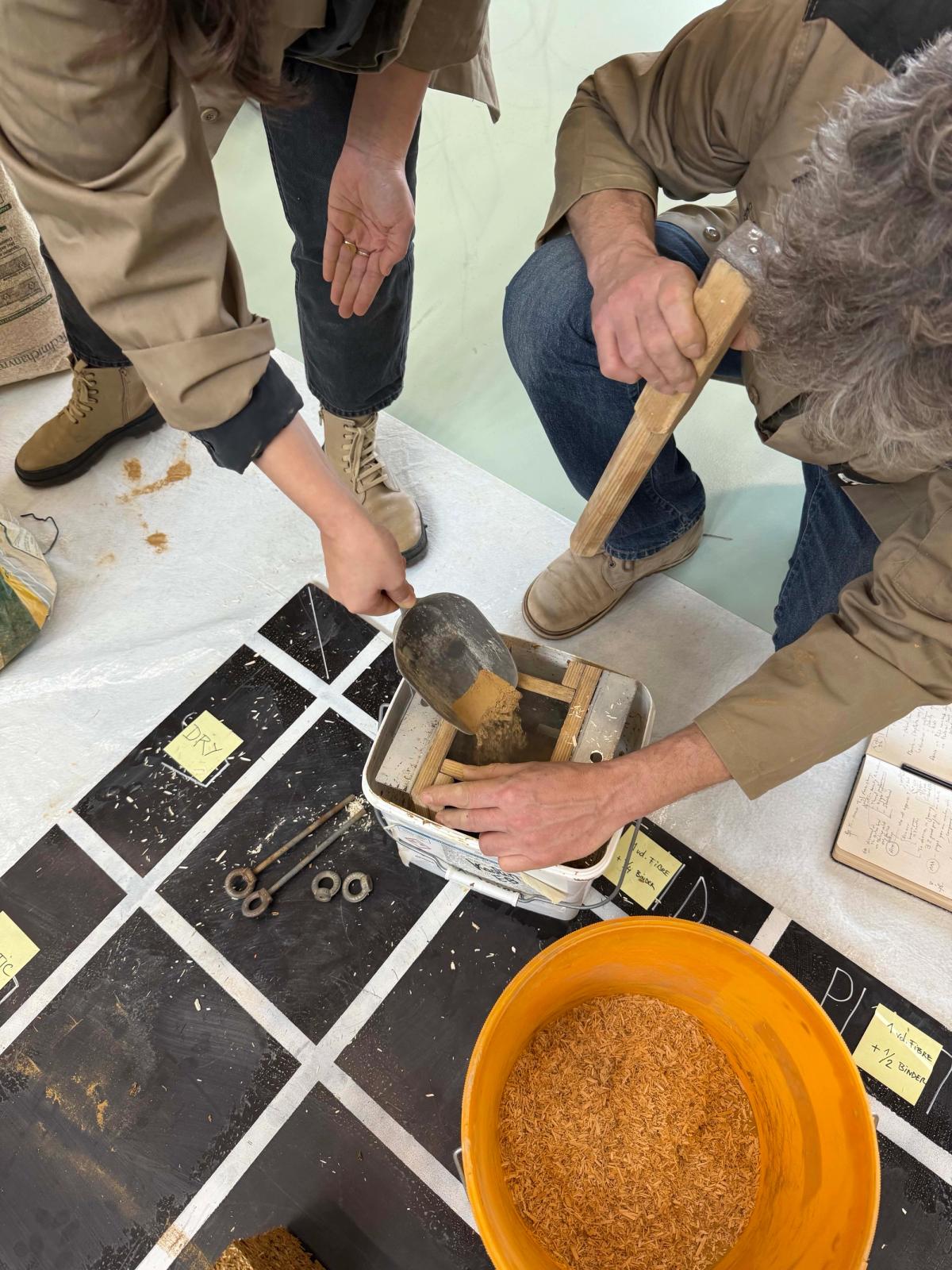
- implement small-scale interventions to test passive design strategies.
Capacity-building & scaling
- monitor results, create training materials, and
publish an open-access manual.
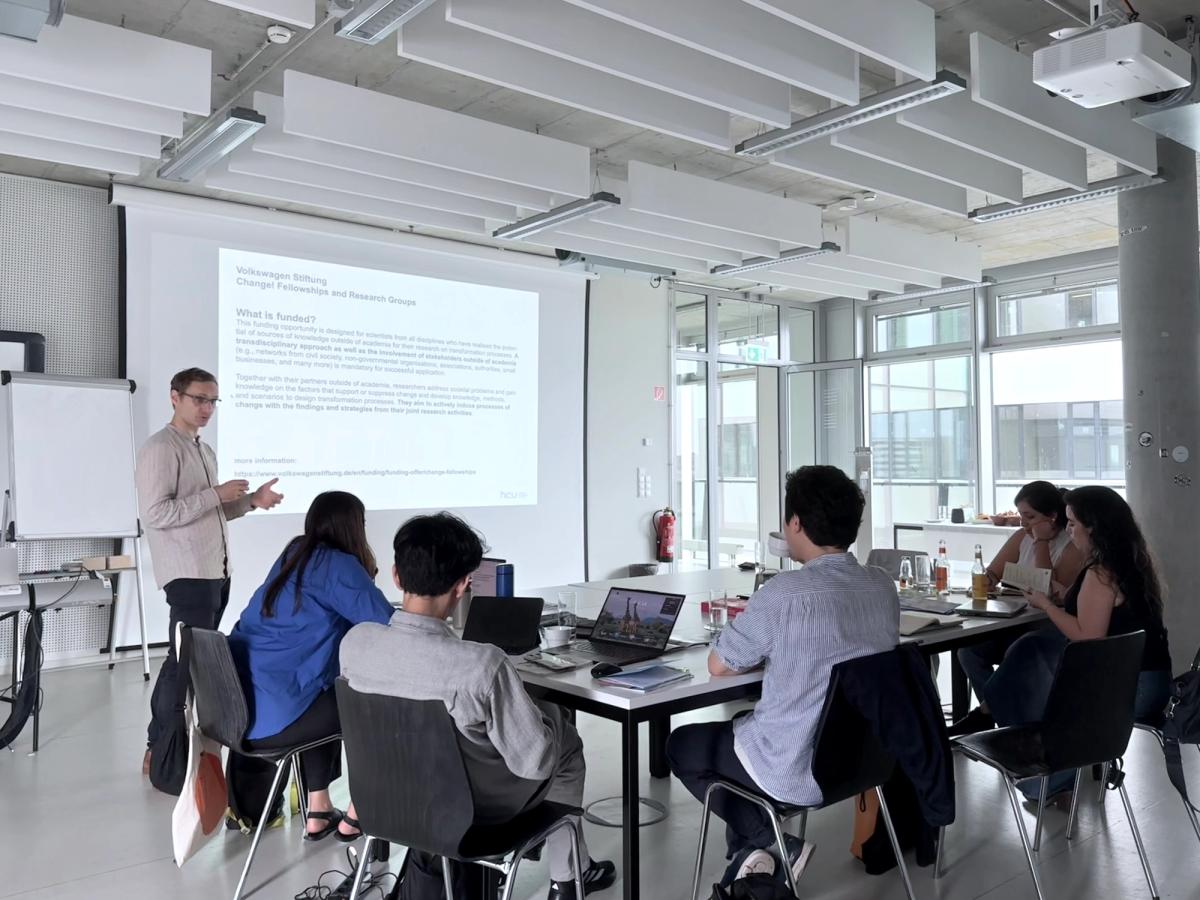
The project Passive Solutions in Self-Build and Incremental Housing (PSSI) is
funded by the Volkswagen Stiftung for the period 2025–2029.
Urgency of climate change
- increasing frequency of extreme weather events
- rising urban heat stress, flood risks and water scarcity
- disproportionate impact on low-income urban communities
Urbanisation trends - focus on the Global South
- rapid, unplanned urban growth
- majority of future urban population growth in Asia, Africa & South America
- growth of informal settlements with limited access to infrastructure
Housing sector - problems & opportunities
- major contributor to emissions & resource use (materials, energy)
- vulnerable, especially in incremental/self-built context
- opportunity for innovation in climate-resposive adaptive design

Prof. Dr. Jakub Galuszka
Prof. Dr. Jakub Galuszka is a Junior Professor and Head of the Chair for Sustainable Cities and Climate Change at HafenCity University in Hamburg, where he explores urban sustainability at the intersection of city planning, just transition approaches, and socio-economic development. His research focuses on settlement development, housing, climate change, and urban mobility, with a strong commitment to fostering equitable and climate-resilient cities.
He leads the PSSI research project (Volkswagen Stiftung Change!), an international collaboration that develops inclusive, climate-sensitive strategies for self-build and incremental housing in rapidly urbanising regions. He also leads a DFG-funded project on the often-overlooked transformations of “formal” housing markets in Europe, with a particular focus on affordability, socio-spatial change, and urban policy. Through his teaching, publications, and applied research, Prof. Galuszka contributes to building dialogue between academia, local communities, NGOs, and international organizations. His work emphasises participatory approaches, co-creation of knowledge, and the development of tools that support sustainable housing and urban planning worldwide.

Eileen Dorer Li
Eileen Dorer Li is an architect, researcher and consultant with over ten years of experience in the construction sector. She is currently a researcher in the PSSI project (HafenCity University Hamburg, 2025–2029), where she coordinates the Peruvian case study while pursuing her PhD. Operating at the intersection of design and research, she focuses on regenerative approaches in the built environment. Her work integrates systems thinking, material culture, and climate-responsive strategies to create healthy, sustainable spaces that address environmental and social challenges. Specializing in housing and regenerative materials, her research explores incremental and self-built housing, low-tech solutions, natural materials, and low-embodied carbon construction and technologies. Eileen is deeply committed to participatory planning and the promotion of Baukultur, advocating for inclusive and thoughtful design processes. She has lived, studied, and worked in Germany, Peru, Spain, and Switzerland, earning her Diplom-Ingenieur degree from the University of Stuttgart. Since 2023, she has been a certified DGNB Auditor and holds a specialization in Regenerative Materials and Hygrothermal Assessment from CAS ETH Zurich. She is also the co-founder of re.act collective, an international association exploring the regenerative potential of architecture through hands-on “regenerative labs” and open dialogues.

Anna Wilk-Pham
Anna Wilk-Pham is an architect and urban planner, and currently a researcher in the PSSI project (HafenCity University Hamburg, 2025–2029), where she coordinates the Indonesian case study while pursuing her PhD. Her research bridges the fields of integrated urban planning, extended urbanisation, incremental and self-built housing, climate-responsive design, and community-based co-production. She focuses on developing inclusive and participatory urban development strategies in collaboration with local communities, public and private actors, and municipalities, aiming to translate real-world laboratory experiences into transferable and scalable tools for sustainable transformation. Since 2015, Anna has been part of the Habitat Unit, TU Berlin, where she continues to work in the PolyUrbanWaters project. She has extensive experience in participatory, water-sensitive urban design, nature-based solutions, polycentric urban water management, and engaged teaching in architecture and urban planning. Beyond her ongoing research in Indonesia, Anna has worked in diverse international contexts including South-East Asia, South Africa, Colombia, and Germany. Across these projects, she has collaborated closely with local communities, NGOs, and municipal governments, developing practice-oriented approaches that bridge research, planning, and policy. In parallel, she is actively involved in academic teaching, exploring formats that connect students to real-world challenges through participatory and co-creative methods.

Hanbaek Park
Hanbaek Park is currently studying in the Master’s Program in Urban Design at HafenCity University Hamburg. He holds academic backgrounds in Architecture (B.Arch, Korea National University of Arts, K’ARTS) and Historic Preservation (M.Sc. HP, The University of Texas at Austin, UTA). His interests lie in interdisciplinary studies of the urban and built environment, examining how tensions and conflicts can be understood and addressed to design better living spaces and futures. His research focuses on alternative methods of design, planning, and building that integrate both the existing and the new for sustainable livelihoods. Since the summer of 2025, he has joined the PSSI project, assisting not only with coordination and organizational tasks but also with design support. He also contributes to interdisciplinary collaboration between different research teams by visualizing ideas, concepts, and approaches specific to each context, creating effective communication tools for the project.
Kota Kita Foundation
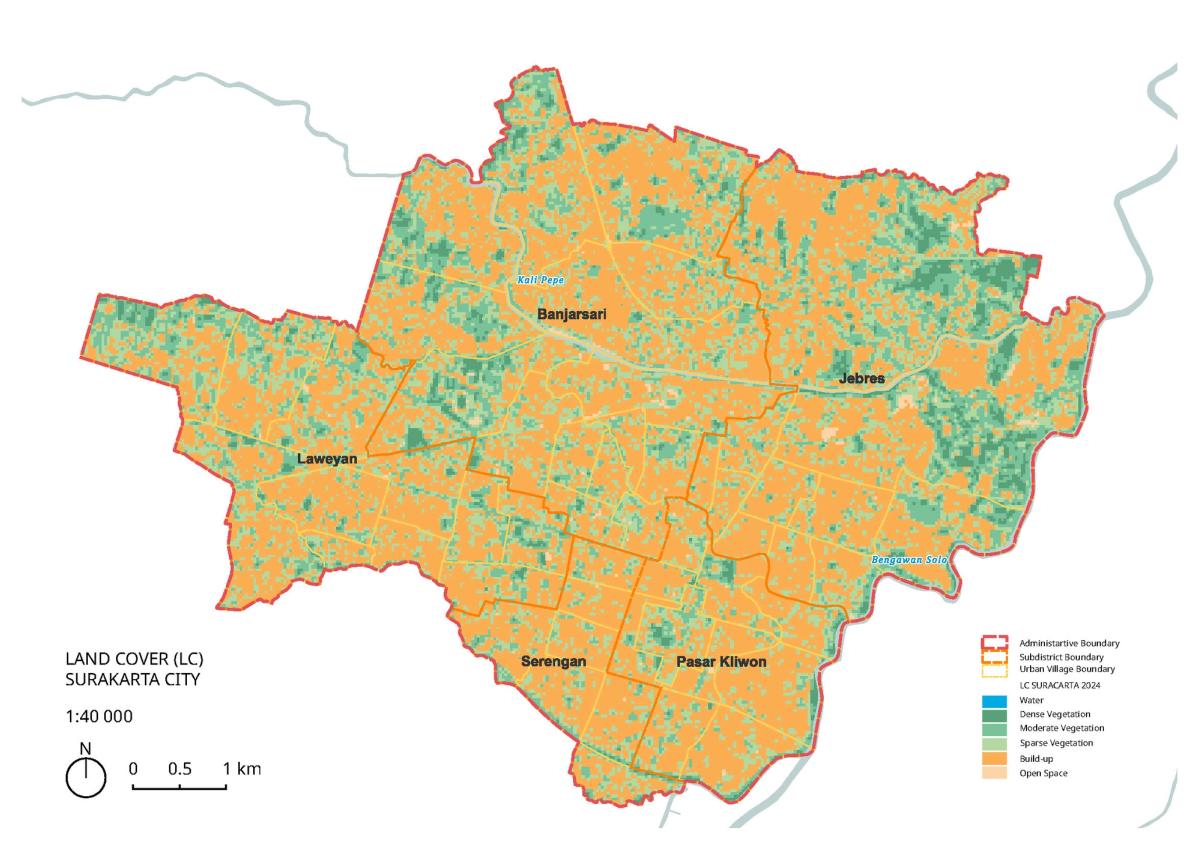
Kota Kita Foundation is the local partner in Indonesia for the PSSI project. Based in Solo (Surakarta), Indonesia, the non-profit organization works to bridge dialogue between governments and citizens by ensuring the active involvement of all stakeholders, particularly marginalized and excluded groups. Its vision is to create cities shaped by empowered citizens — truly Cities for All. Kota Kita promotes inclusive participation through research, capacity building, and innovative tools that make urban information accessible and actionable. It works to raise awareness of urban challenges, strengthen young people’s role as future urban leaders, and encourage creativity and out-of-the-box thinking to mobilize citizens for transformative change. Through this approach, Kota Kita strives to make cities more inclusive, sustainable, and resilient.

Bisma Setiyadi
Bisma Setiyadi is an urban planner with an academic background in architecture, and currently leads the Indonesian team at Kota Kita Foundation for the PSSI project, actively involved in participatory planning and co-design initiatives. His interests include urban–rural linkages, co-housing, water-sensitive cities, and the creation of inclusive public spaces.
He co-designed Taman Rukun Mangkubumen with residents, a project that not only resulted in a functional public space but also strengthened collaboration between communities and local government. At Kota Kita, Bisma advocates for more inclusive, sustainable, and resilient Indonesian cities. He believes every citizen has the right and responsibility to help shape their city. In the PSSI project, Bisma leads the Indonesian team in implementing activities and facilitating collaboration with local communities.

Talitha Benny Dikta
Talitha Benny Dikta is an urban planner and Project Officer for Climate Resilience Initiatives at Kota Kita Foundation. She holds a degree in Urban and Regional Planning from Sebelas Maret University (UNS) Surakarta. Her work combines academic knowledge with practical engagement, focusing on housing, climate justice, and urban resilience. She has contributed to projects in Indonesia, Timor Leste, and the Solomon Islands and has particular expertise in building materials and supply chains for community-based planning. Talitha also led the Urban Citizenship Academy (2024–2025) in Semarang, promoting citizen engagement and leadership in local governance. In the PSSI project, she supports the Indonesian team by coordinating research activities and facilitating stakeholder dialogue.
Terwilliger Center for Innovation in Shelter from Habitat for Humanity (Peru)
The Terwilliger Center for Innovation in Shelter, known as the Housing Innovation Lab at Habitat for Humanity International, works to expand access for low-income families to innovative housing products, services, and financing mechanisms. Its goal is to enable these families to build faster, at lower cost, and with higher quality. With this purpose, it seeks to contribute to reducing the qualitative housing deficit.
The Housing Innovation Lab plays an articulating role within the housing ecosystem, collaborating with financial institutions, manufacturers and retailers, academia, public sector entities, social organizations, construction and design companies, as well as media outlets, among other actors. Together, they identify disruptive technologies, promote innovative business models, and advance construction solutions that respond to the needs of households building their homes progressively.

Samantha Castañeda
Samantha Castañeda is an architect from Universidad Peruana de Ciencias Aplicadas (UPC). She works as a Sustainability Specialist at Habitat for Humanity International’s Terwilliger Center for Innovation in Shelter and is a researcher in the PSSI project (HafenCity University Hamburg, 2025–2029), where she leads the Peruvian case study while writing her thesis on incremental social housing in Lima. Her work focuses on territorial diagnostics, incremental housing design, and participatory methods that bring together local knowledge with institutional and academic perspectives. She has contributed to international research, including the report Sustainable Solutions in Incremental Constructions (HPHI, 2023), and has experience analyzing housing typologies, urban informality, and community-led upgrading processes. Bridging research and practice, she is passionate about advancing sustainable, climate-responsive, and dignified housing solutions in collaboration with communities, NGOs, and local governments.
Rosario Reaño
Rosario Reaño is an architect from Ricardo Palma University with over 15 years of experience in the design and analysis of incremental housing and in market studies for vulnerable populations. She holds a specialization in Sustainable Design and Construction with bamboo structures, is certified in PM4R Agile by the Inter-American Development Bank, and is a specialist in developing market systems to strengthen housing and construction ecosystems. Her career combines technical expertise, strategic management, and the leadership of multidisciplinary teams. She currently serves as Construction Services Manager at the Terwilliger Center for Innovation in Shelter, Habitat for Humanity International, where she leads the implementation of technical projects and provides cross-cutting advisory support to ensure quality, innovation, and sustainability across all initiatives. Her role connects applied research, technical validation, and field implementation, enabling the development of scalable housing solutions in vulnerable contexts. Committed to eco-efficiency, social impact, and sustainable development, Rosario fosters collaboration among communities, the private sector, academia, and local governments. She advocates for inclusive, resilient, and dignified housing and urban solutions, driving transformative change in Latin America.

Kota Kita

Habitat for Humanity - Terwilliger Center for Innovation in Shelter

UN Habitat

Wuppertal Institute

Bauhaus Earth

Passive House Institute